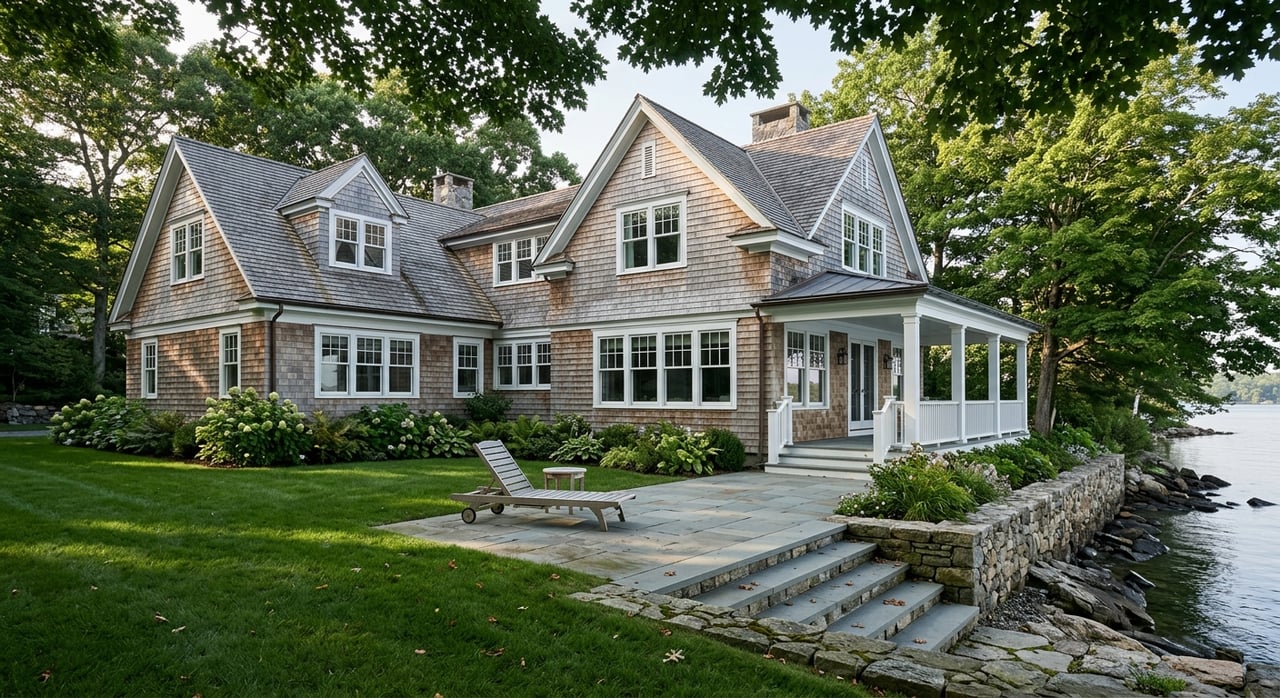
Wondering whether life in Litchfield County feels like a permanent getaway or simply a quieter way to live? For many buyers, the answer is a bit of both. If you are drawn to historic homes, scenic roads, small-town centers, and easy access to the outdoors, owning a home here can offer a lifestyle that feels distinct from a typical suburb. Let’s dive in.
Litchfield County Feels Town-Centered
One of the first things you notice about Litchfield County is that it does not read like one continuous suburban area. According to the U.S. Census Bureau's Connecticut geography guide, counties in Connecticut are non-functioning legal entities, while towns handle local governance. In practical terms, that helps explain why daily life here feels centered on individual towns and villages rather than on one shared county hub.
The county also covers a large footprint. With about 920.5 square miles of land area and 185,186 people counted in the 2020 Census, the overall density is roughly 201 people per square mile. That lower-density pattern often translates to quieter roads, more open space, and a lifestyle that is usually more car-oriented than urban.
Village Centers Shape Daily Life
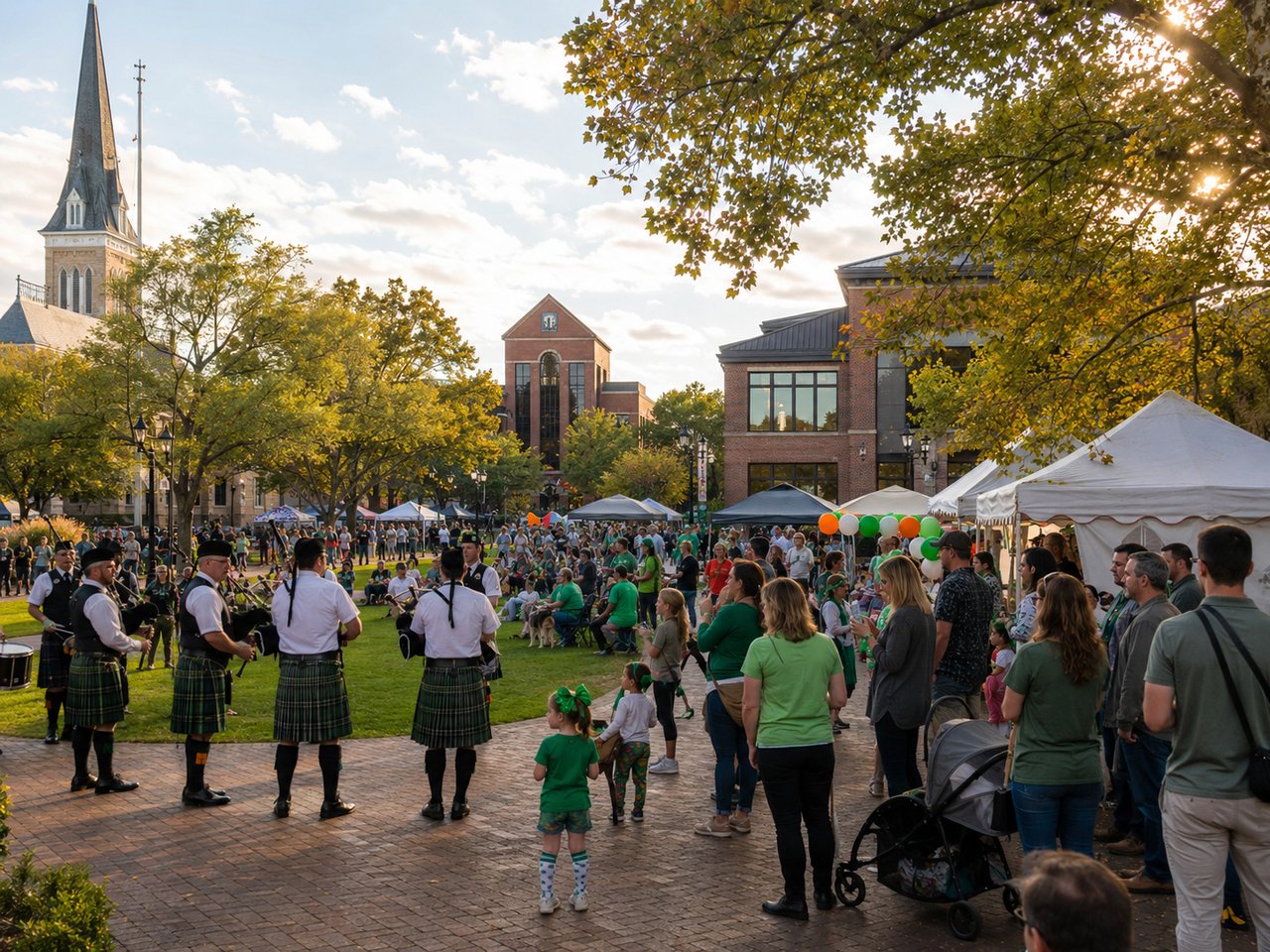
A big part of homeownership here is access to places that still feel rooted in classic New England village life. CTvisit describes Litchfield as a rural town with a walkable downtown, antiques, dining, and a traditional town green. It also presents Kent as a place where historic charm meets dining, arts, and outdoor recreation.
That mix matters if you are deciding whether the area fits your lifestyle. You are not just buying a house. You are often buying into a rhythm that includes short drives into town, local shops and restaurants, and weekends shaped by trails, preserves, and scenic routes.
Homes Range From Village Houses to Country Properties
Litchfield County offers variety, but much of its housing identity is tied to New England history. The county's architectural record includes Georgian, Federal, Greek Revival, Colonial Revival, Italianate, Victorian, Carpenter Gothic, Romanesque Revival, and Tudor Revival styles, as reflected in National Register listings for the area. That is one reason buyers often associate the county with antique colonials and older village homes.
At the same time, the housing stock is not limited to historic houses. You can also find larger country properties and restored estate settings, especially in more secluded areas. For example, Topsmead State Forest, a former summer estate, reflects the kind of estate-scale landscape that helps define parts of the county.
Lot Sizes Vary by Setting
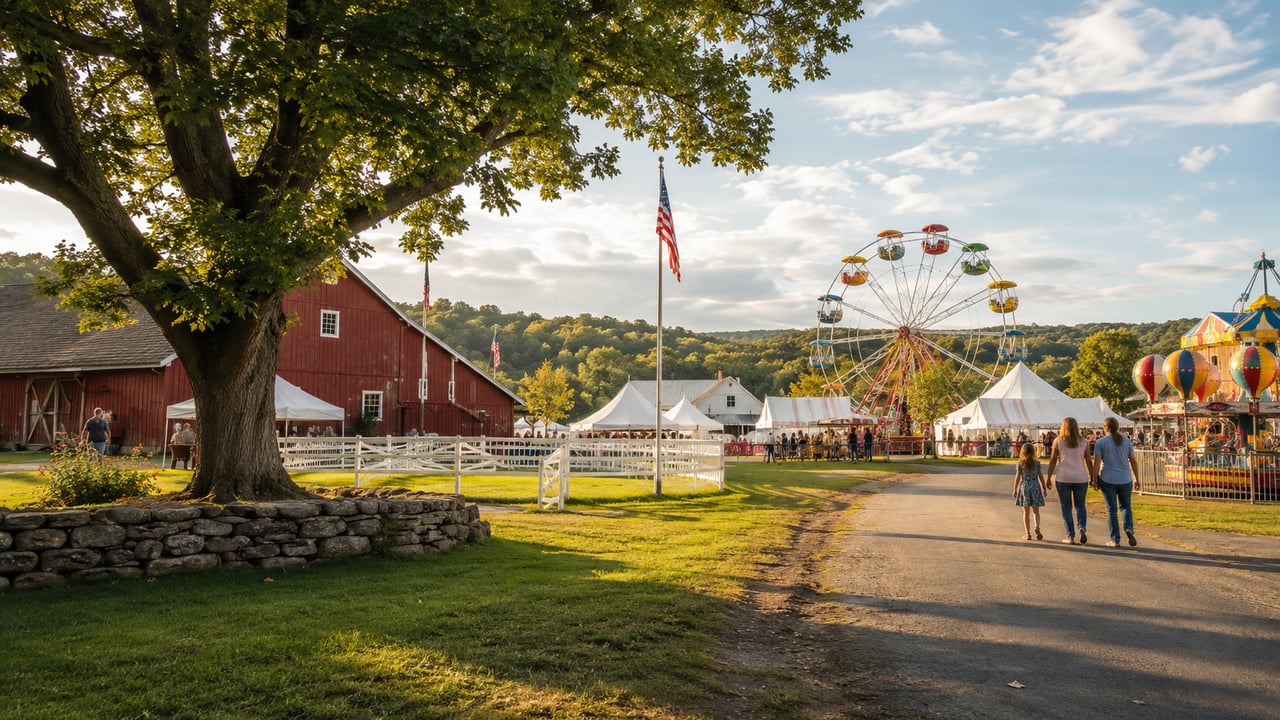
Lot size is best understood as a spectrum rather than a countywide rule. Homes near village greens and downtown areas often sit on more modest lots, while homes on back roads or near open land, lakes, and preserves may offer significantly more acreage. That variety is part of what makes the county appealing to both full-time residents and second-home buyers.
If you want a more compact, walkable setting, village areas may feel like the right fit. If privacy and land matter more, country roads and preserved landscapes may offer a very different ownership experience.
The Lifestyle Changes With the Seasons
Owning a home in Litchfield County is closely tied to the calendar. The area has a strong seasonal identity, and that tends to shape how people use their homes and spend their time.
Spring Brings Maple Season
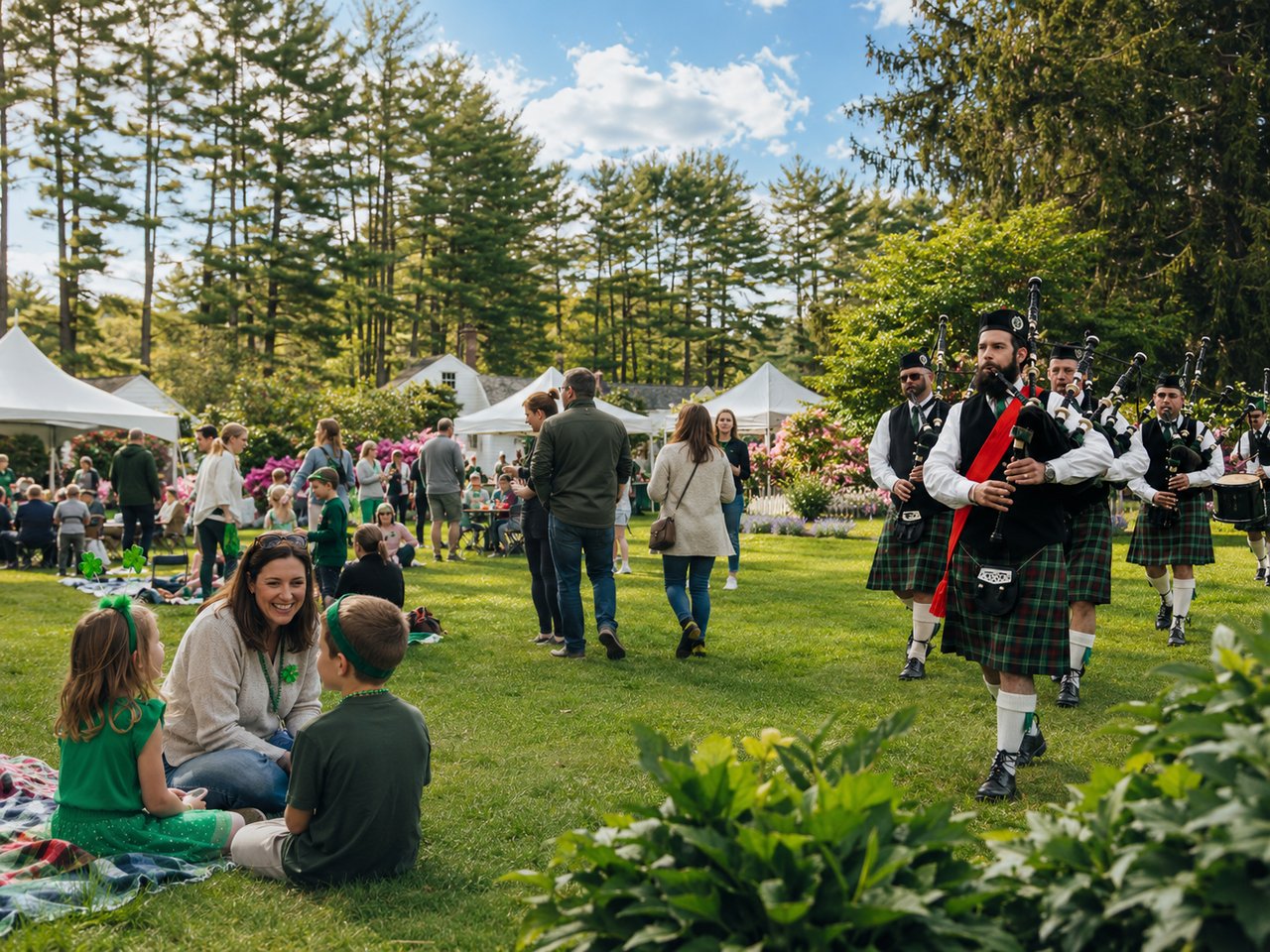
In spring, local traditions start to define the pace of life. CTvisit notes that maple sugaring season arrives with cold nights and warmer days, and it highlights the region's maple activities and demonstrations. That may sound small, but it says a lot about the area.
Instead of the season being marked by major urban events, it is often marked by outdoor traditions and local destinations. For homeowners, that can make spring feel more connected to place.
Summer Centers on Lakes and Trails
Summer is when outdoor living really takes over. Bantam Lake is Connecticut's largest natural lake and a major draw for boating and swimming. The Town of Litchfield's conservation planning also points to White Memorial as a large preserve with marina and boat-launch access to the lake.
That means lake life is not just an idea here. It is a visible part of the region's lifestyle. Add in places like Mount Tom State Park, with swimming, hiking, picnic areas, and a summit trail, and summer homeownership often means easy access to outdoor recreation close to home.
Fall Is a Major Draw
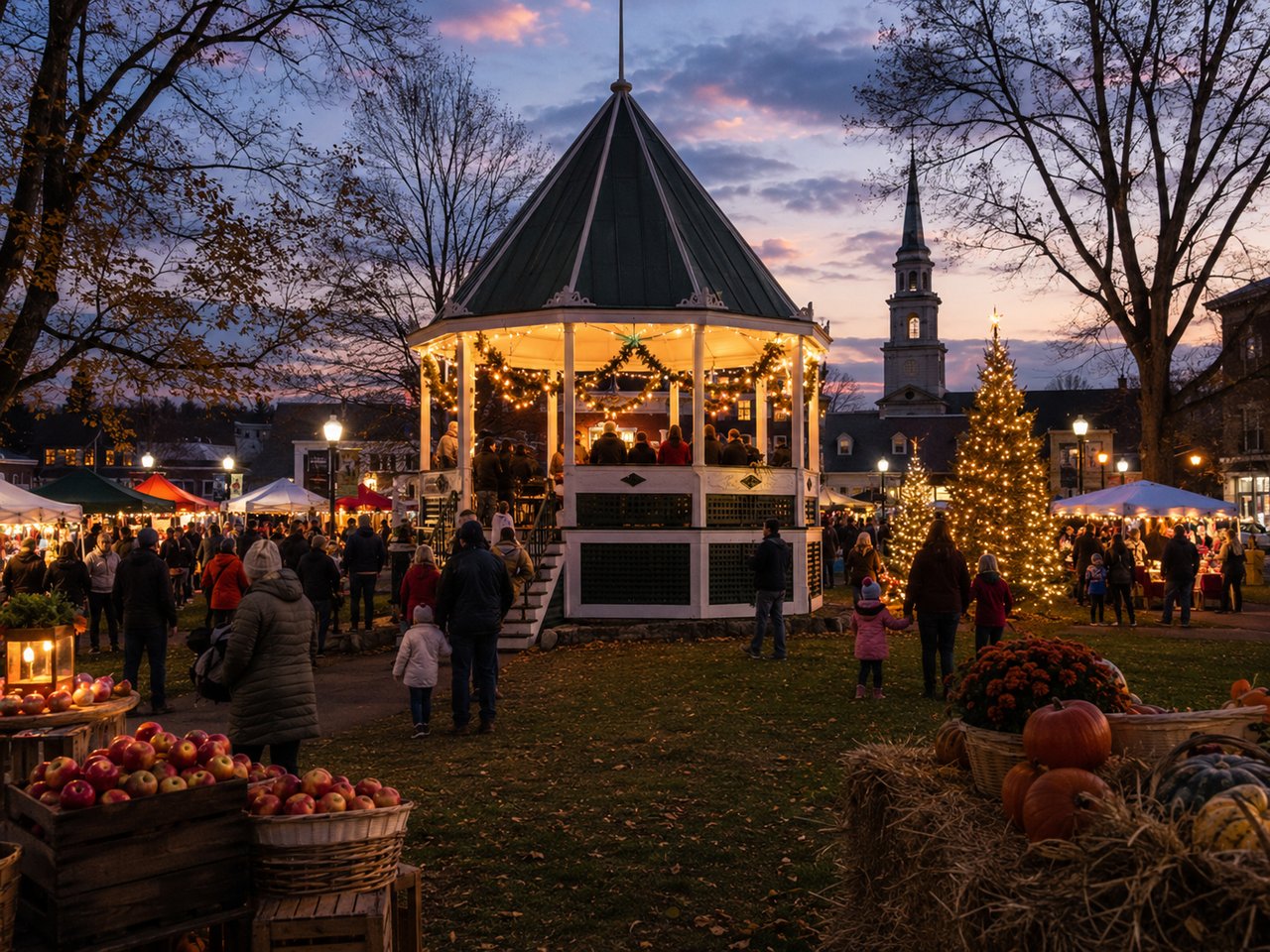
For many people, fall is the season that sells Litchfield County. CTvisit calls the Litchfield Hills one of Connecticut's top leaf-peeping destinations and highlights Route 7 for scenic drives with stops tied to art, history, and nature. That seasonal beauty becomes part of everyday life when you live here.
Autumn is not just about a few pretty weekends. It is about country roads, preserved landscapes, village centers, and day trips all coming together. If you value scenery and a slower seasonal rhythm, this time of year can be one of the biggest benefits of ownership.
Winter Stays Active
Winter is quieter, but it is not dormant. White Memorial's trail system remains a destination for cross-country skiing and snowshoeing, and settings like Topsmead still support outdoor use in colder months. In other words, winter here tends to be a calmer continuation of the outdoor lifestyle rather than a full stop.
For homeowners, that can make the county feel usable year-round. The pace shifts, but the connection to nature stays in place.
Who Tends to Love Living Here?
Litchfield County is often a strong match for buyers who want character, privacy, and room to breathe. It can work well for people seeking a primary residence with more space and a calmer daily routine. It also appeals to weekend and second-home buyers who want a destination feel without giving up dining, culture, and polished small-town settings.
CTvisit's Litchfield Hills coverage supports that relaxed but refined positioning, highlighting town centers, spas, vineyards, inns, and a slower pace. If your ideal home life includes scenic drives, preserved land, and village stops rather than a dense suburban strip, the county may feel like a natural fit.
Practical Expectations Before You Buy
It helps to go in with clear expectations. Litchfield County is best viewed as a destination-first market, not a traditional commuter suburb. If you need regular New York City rail access, the Metro-North Harlem Line map shows that Wassaic is the relevant edge-of-region terminal, so trips require planning.
That does not make the area inconvenient. It simply means the value proposition is different. Buyers are often choosing Litchfield County for lifestyle, space, and setting first, with city access as a secondary consideration.
What Homeownership Here Really Feels Like
At its core, owning a home in Litchfield County often means trading speed for setting. You may find yourself living closer to trails, lakes, preserved land, and classic town centers than to major retail corridors or dense commuter infrastructure. For many buyers, that is exactly the point.
The experience can look different depending on the property you choose. A village house may offer closeness to downtown and historic character, while a country property may deliver privacy, acreage, and a stronger retreat feel. Either way, the county's appeal tends to come from the same ingredients: scenery, seasonality, and a slower, more grounded daily rhythm.
If you are exploring whether this lifestyle fits your goals, working with a team that understands western Connecticut's town-by-town differences can make the search much more focused. The Brokerage of New England offers relationship-driven guidance for buyers seeking everything from village homes to lake, country, and estate properties across the region.
FAQs
What is daily life like for homeowners in Litchfield County?
- Daily life often feels slower, more town-centered, and more car-oriented than in a typical suburb, with small village centers and open space shaping the routine.
Are most homes in Litchfield County historic?
- No, but historic homes are a major part of the area's identity, especially in village centers and historic districts, alongside country properties and larger estate-style settings.
Is lake living really part of owning a home in Litchfield County?
- Yes. Bantam Lake is a major part of the area's outdoor lifestyle, especially for boating and swimming, and nearby preserve access reinforces that connection.
Does Litchfield County feel different throughout the year?
- Yes. Maple season in spring, lake and trail use in summer, scenic drives in fall, and skiing or snowshoeing in winter all create a strong seasonal rhythm.
Is Litchfield County a good fit for New York City commuters?
- It is usually better described as a destination-first area than a true daily-commute suburb, though rail access is possible by planning around the Wassaic terminal on Metro-North's Harlem Line.