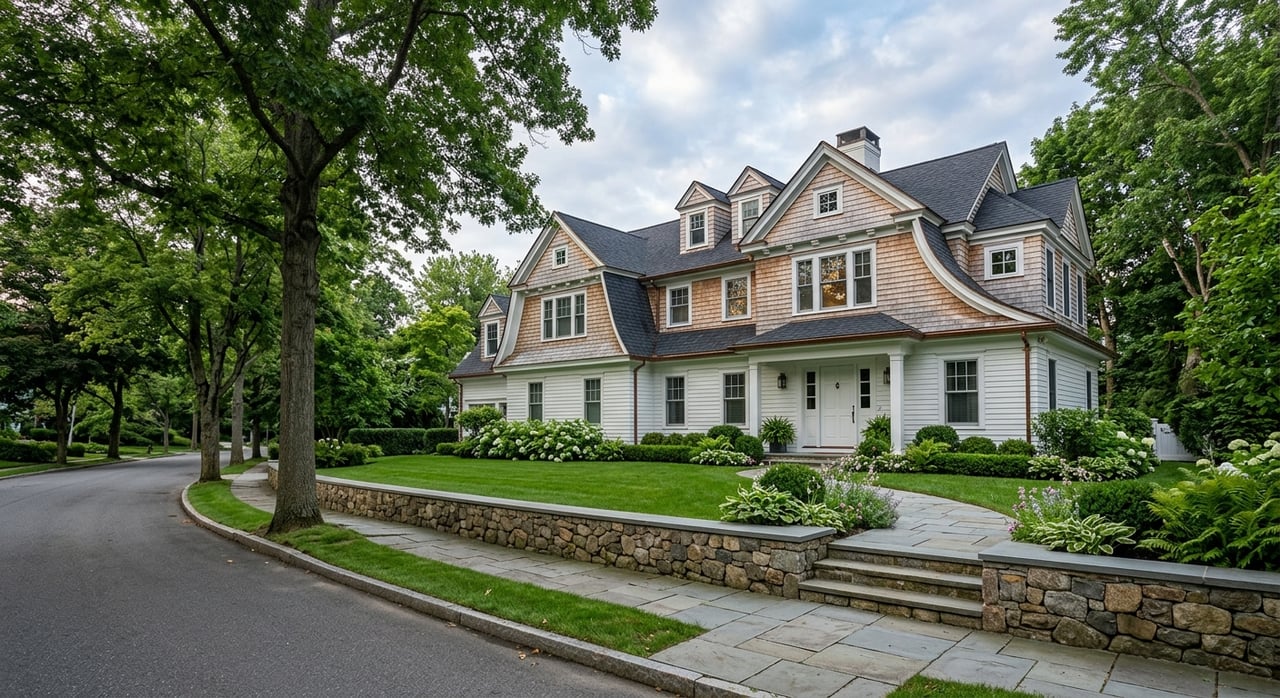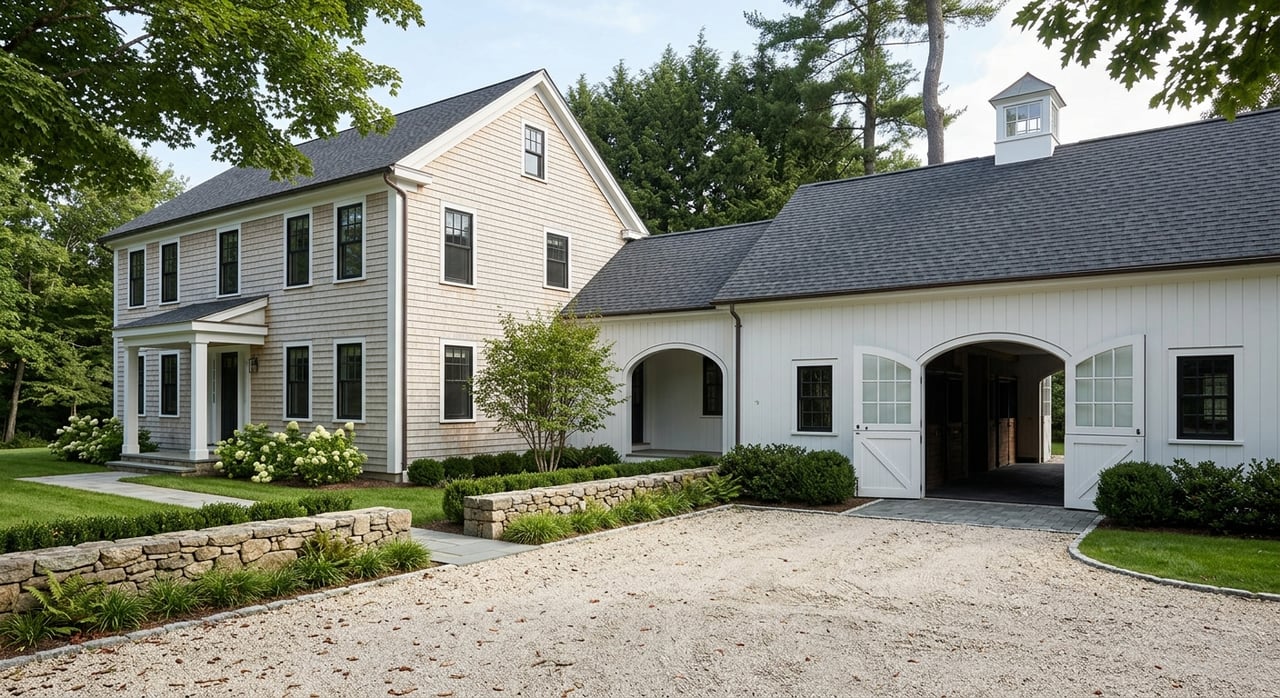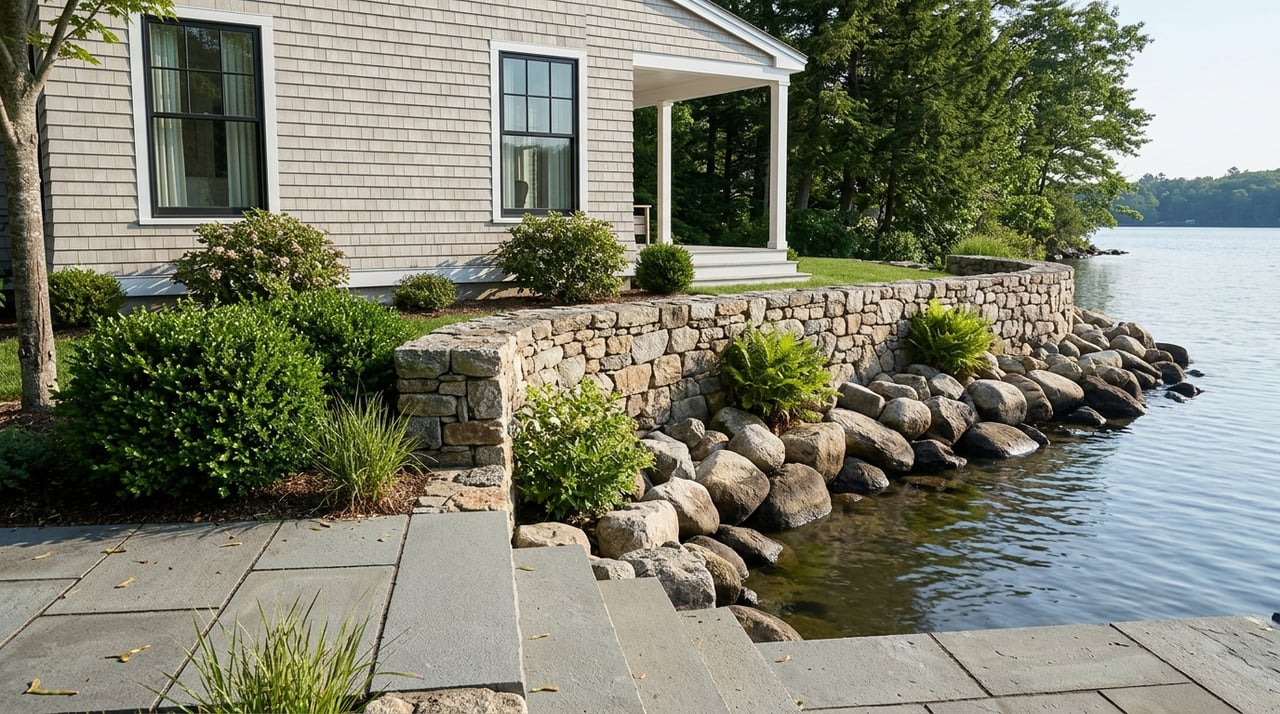
Thinking about buying a lake home in Fairfield County? It can feel like the dream purchase: morning coffee by the water, weekends on the boat, and a setting that feels like a getaway every day. But lake properties come with a different set of questions than a typical home, and knowing what to check before you buy can save you time, money, and stress. Let’s dive in.
Why lake homes need a closer look
In this market, Candlewood Lake is the main reference point for many buyers. It is Connecticut’s largest lake at 5,064 acres and spans Danbury, New Fairfield, Sherman, New Milford, and Brookfield. Because it is a hydroelectric reservoir with water levels coordinated by FirstLight, lake ownership here involves more than just the house itself.
That matters if you are comparing homes based on shoreline access, dock use, or year-round enjoyment. A property that looks similar online can function very differently in real life. The details around access, permits, and seasonal water levels often shape the value of the home just as much as the square footage.
Compare the right type of lake property
Not every “lake home” offers the same experience. In Fairfield County and nearby lake markets, buyers are often comparing direct waterfront homes, homes with deeded access, and near-lake homes. Those should be treated as three separate property types.
A direct waterfront home may offer shoreline control, but even then, the deed controls the exact boundary. The Candlewood Lake Authority notes that most waterfront owners own down to the Rocky River Project Boundary, but not below it. That is why a current survey matters so much before you close.
A deeded-access home can still deliver a strong lake lifestyle, especially if you care more about getting on the water than owning the shoreline itself. But you will want to confirm exactly what is included. Shared access, beach rights, or a path to the water can all mean different things depending on the deed and any association documents.
A near-lake home may give you proximity and possibly a lower maintenance lifestyle. Still, you should not assume that being close to the water means having legal access to it. If access is part of your goal, it needs to be documented, not implied.
Know Candlewood Lake is unique
Candlewood Lake is not the same as every other inland lake in the region. Its water-level management, shoreline rules, and boating access are part of the buying decision. If you are looking at homes around Candlewood, those lake-specific rules should be part of your due diligence from day one.
Nearby options like Lake Lillinonah, Squantz Pond, and Lake Zoar operate under different regulations. For example, Squantz Pond’s state launch limits motors to 25 horsepower, while Lake Lillinonah and Lake Zoar have their own speed rules. If you are comparing multiple lake markets, make sure you verify the rules for the exact waterbody rather than assuming they all work the same way.
Review boundaries, rights, and permits early
One of the biggest mistakes buyers make is focusing on the view and waiting too long to verify what they can actually do with the shoreline. For a Candlewood purchase, you should review the deed, a current survey, and any association documents early in the process. That is especially important if the property includes a dock, seawall, retaining wall, mooring, or other shoreline improvements.
According to the Candlewood Lake Authority, any work below the Rocky River Project Boundary needs FirstLight approval. That can include cutting trees, clearing vegetation, building or changing a seawall or retaining wall, adding a shed, or modifying a dock. A survey is needed to locate that boundary accurately.
If the property lies within 200 feet of Candlewood Lake, certain activities may also be regulated by the local land-use office. In addition, Connecticut DEEP says that any activity likely to affect an inland wetland or watercourse must first obtain a municipal inland-wetlands permit. In short, what exists on the property today is only part of the story. You also need to know what is legally permitted.
Do not assume the dock is fully approved
A dock or mooring can be a major selling point, but buyers should verify the paperwork behind it. On Candlewood, the Candlewood Lake Authority says all dock changes go through FirstLight’s permitting portal, unpermitted moorings are not allowed, and swim areas require a Connecticut DEEP permit.
That means you should not assume an existing dock, float, or mooring can be transferred, rebuilt, or expanded without review. If boating is central to your plans, ask early what permits are already in place and who issued them. It is much better to confirm that before closing than to learn later that a key feature does not match your expectations.
Check water levels and seasonal usability
A beautiful shoreline in July may not look the same in winter or during drawdown. Candlewood is a seasonal-water-level lake, and the Candlewood Lake Authority says water levels can vary by up to 2.5 feet during boating season. The normal summer operating range is 427 to 429.5 feet above sea level, and winter drawdown has targeted 424 feet before returning to summer levels ahead of Memorial Day.
For you as a buyer, that affects more than appearance. It can change shoreline depth, dock usability, lift placement, and ease of access during parts of the year. If you expect year-round use, you will want to understand how the property performs when the lake is not at peak summer level.
Match the property to your boating plans
A lake home works best when it fits how you actually plan to use the water. On Candlewood, boats are limited to under 26 feet unless a posted exemption sticker is in place. Daytime speed is 45 mph, nighttime speed is 25 mph, and boats must operate at slow-no-wake within 100 feet of shore, docks, swim areas, floats, or anchored or moored vessels.
For personal watercraft, operators must stay 200 feet from shore under the slow-no-wake rule. If you love tubing, wake riding, or keeping a certain style of boat, those rules matter. They can influence where you buy, whether you need a private dock, and how well the property supports your lifestyle.
Connecticut also requires boating credentials in certain cases. DEEP says Connecticut residents, Connecticut property owners, and owners of Connecticut-registered vessels need a Safe Boating Certificate or equivalent to operate a motorboat or a sailboat 19.5 feet or longer. PWC operators need a Certificate of Personal Watercraft Operation, and towing skiers, tubes, or wake riders requires a Safe Water Skiing Endorsement, with the operator age 16 or older.
Consider launch access if you are not waterfront
If you are buying a deeded-access or near-lake home, launch convenience becomes a big part of everyday usability. The Candlewood Lake Authority says Candlewood has two state launches for visitors, Squantz Cove and Lattins Cove, and each has a 100-vehicle maximum. Residents of the five lake-bordering municipalities can use town launches, and Dikes Point is carry-in only for kayaks and canoes.
That makes launch access worth comparing alongside the cost of owning direct waterfront. A home without a private dock may still be a smart fit if launch logistics work well for your routine. The key is to weigh convenience, parking, and seasonal crowding against the upkeep and expense of a shoreline parcel.
Ask more questions about septic and wells
Many lake homes rely on systems that need extra review during due diligence. For septic systems, the Connecticut Department of Public Health recommends asking for as-built drawings, pumping records, maintenance history, and any prior performance issues. The agency also advises buyers to inspect for signs of saturation or overflow and to discuss soil, groundwater, wetland, and slope conditions with the town health department or sanitarian.
The practical question is simple: if the system fails, what happens and what will it cost to repair? That is an especially important question on a lake lot where site constraints can affect replacement options.
For private wells, Connecticut DPH says buyers should test water quality when purchasing a home, and private well owners are responsible for testing and maintenance. In the Candlewood watershed, where private wells and septic systems are part of the housing mix, that makes water testing a routine part of smart due diligence. Ask when the water was last tested, what was tested, and whether any treatment equipment is installed.
Pay attention to water quality and shoreline conditions
Part of lake living is understanding the natural conditions of the waterbody. The Candlewood Lake Authority says blue-green algae can occur in Candlewood Lake, usually in mid-to-late summer, and it can affect people and pets. The authority also monitors conditions and asks residents to report suspected blooms.
Aquatic plants matter too. The Candlewood Lake Authority says Candlewood has long battled Eurasian watermilfoil, and Connecticut DEEP notes that invasive plants can make boating, fishing, and swimming more difficult. If easy swimming, paddling, or boating is high on your list, it is worth asking how a specific cove or shoreline area tends to function during the season.
Check flood and drainage issues sooner
Even on inland lakes, flood and drainage questions should come up early. FEMA identifies Special Flood Hazard Areas as high-risk areas on Flood Insurance Rate Maps, and flood insurance requirements can depend on the mortgage and zone. For shoreline homes or cove lots, waiting until underwriting can create unwelcome surprises.
A simple early review can help you understand whether flood insurance may affect your ownership costs. It can also clarify whether drainage patterns or lot elevation deserve closer attention during inspection.
Questions to answer before you buy
If you are serious about buying a lake home in Fairfield County, make sure you can answer these questions with confidence:
- Where is the exact deeded boundary, and is there a current survey locating it?
- If there is water access, is it direct, deeded, shared, or simply nearby?
- Are permits in place for the dock, seawall, retaining wall, mooring, or swim area?
- How usable is the shoreline during lower water levels or winter drawdown?
- Does the home rely on septic or a private well, and are recent records available?
- Is the home comfortable for year-round use, or is it better suited for seasonal living?
- If the property is not waterfront, how practical is boat launch access during the season?
Why local guidance matters
Buying a lake home is part real estate decision and part property-use decision. You are not just choosing a house. You are choosing access, rules, maintenance needs, and a very specific ownership experience.
That is why local market knowledge matters, especially around Candlewood and nearby waterfront communities. When you understand the lake, the town, and the property paperwork together, you can make a more confident decision and avoid costly assumptions.
If you are exploring lake homes in Fairfield County or the surrounding Candlewood market, The Brokerage of New England offers relationship-driven guidance rooted in local waterfront experience. Request a complimentary market consultation to talk through your goals, target areas, and the details that matter most.
FAQs
What should you verify before buying a Candlewood Lake waterfront home?
- You should confirm the deeded boundary, review a current survey, and verify permits for docks, seawalls, moorings, swim areas, and other shoreline improvements.
How are direct waterfront and deeded-access homes different in Fairfield County lake markets?
- A direct waterfront home may include shoreline control subject to the deed and boundary rules, while a deeded-access home gives you documented access rights without full shoreline ownership.
Why do water levels matter when buying a lake home on Candlewood Lake?
- Candlewood has seasonal water-level changes that can affect dock usability, shoreline depth, lift placement, and how practical the property is outside peak summer months.
What boating rules should buyers know before purchasing near Candlewood Lake?
- Buyers should know that Candlewood has boat-size and speed rules, slow-no-wake requirements near shore and docks, and state boating certificate requirements that may apply depending on vessel type and use.
What inspection items matter most for a lake home in Fairfield County?
- Septic records, private well testing, shoreline conditions, flood-zone review, and proof of any shoreline-related permits are all important items to review early in the process.
Can a near-lake home still be a good option for buyers in the Candlewood area?
- Yes, a near-lake or deeded-access home can be a strong fit if your access rights are clearly documented and launch or waterfront use matches how you plan to enjoy the lake.