Trying to decide which Western Connecticut lake fits your lifestyle and budget best? You are not alone. Many buyers look at Lake Lillinonah next to Candlewood Lake and Lake Zoar and wonder which one offers the right mix of quiet, access, and value. In this guide, you will learn how these lakes differ in feel, boating culture, housing stock, and due diligence so you can buy with confidence. Let’s dive in.
Snapshot: Lillinonah vs Candlewood vs Zoar
Lake Lillinonah at a glance
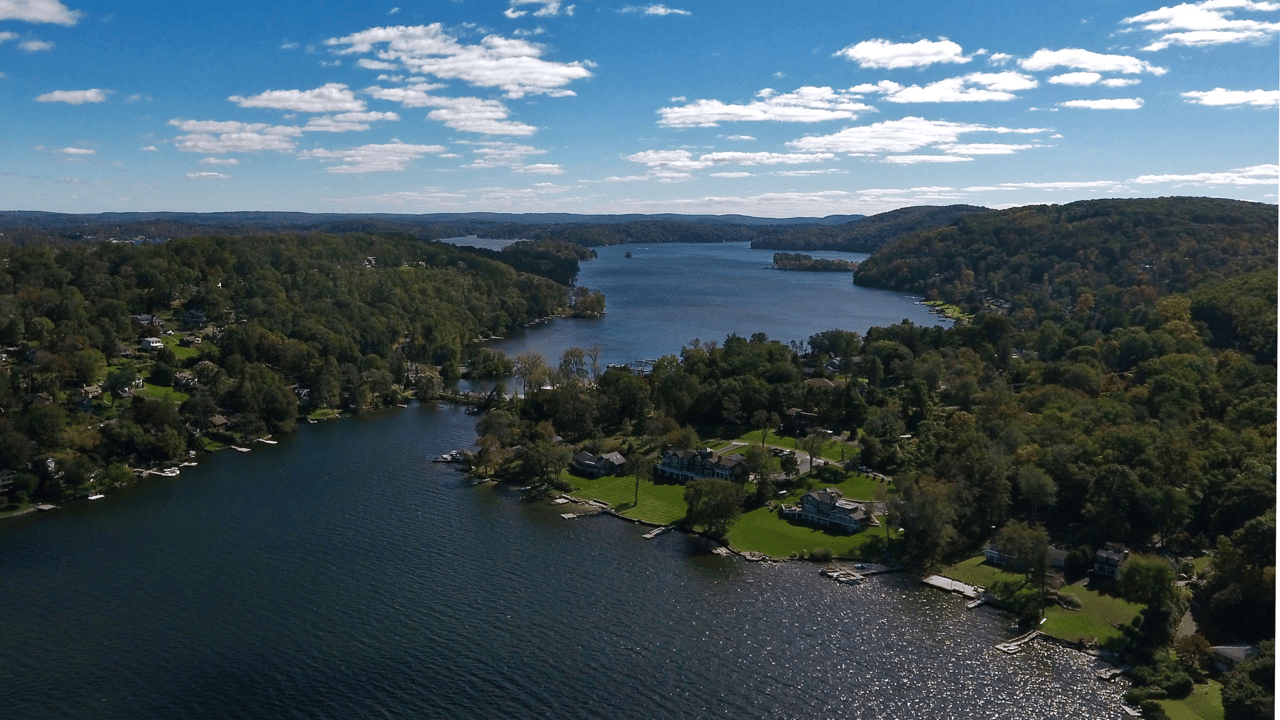
Lake Lillinonah is commonly cited as Connecticut’s second-largest lake at roughly 1,500 to 1,550 acres, created by the Shepaug Dam and spanning multiple towns, including Brookfield and Bridgewater. Much of its roughly 45-mile shoreline is wooded, and you will find fewer commercial marinas than on Candlewood. Many stretches feel serene, with strong appeal for fishing, paddling, rowing and nature watching. You can read more about its size and setting on the Lake Lillinonah overview page from Wikipedia.
Candlewood Lake at a glance
Candlewood is the region’s boating hub. At about 5,400 acres with roughly 60 to 65 miles of shoreline, it borders Danbury, Brookfield, New Fairfield, New Milford and Sherman. Expect a higher density of vessels, frequent fishing tournaments, multiple public access points, and more marina and dock infrastructure. The Candlewood Lake Authority fast facts provide helpful context on size and use.
Lake Zoar at a glance
Lake Zoar is smaller, commonly cited near 909 acres. It runs narrow and river-like in many sections, which creates long stretches enjoyed by anglers, waterskiers and paddlers. Local governance and marine patrols help manage safety and mark hazards, as outlined by the Lake Zoar Authority’s boating facts.
Lifestyle differences you feel on the water
- Lake Lillinonah: You will notice a quieter, more natural vibe. Fewer commercial marina slips, long wooded shoreline, and pockets that feel calm even on busy weekends. It suits buyers who want privacy, scenic views, and low-key boating with room for fishing and paddling.
- Candlewood Lake: The social and active choice. If you want lively summer weekends, more clubs and launches, and a wide range of waterfront neighborhoods, Candlewood delivers. It is the place for powerboaters and anglers who like activity and options.
- Lake Zoar: A balanced, river-like experience. Zoar’s shape can mean less chop in some sections, long runs for watersports, and focused fishing. It sits between high-energy and quiet, depending on where you are.
Waterfront pricing and value signals
Town-level medians give you a baseline for the general housing market, but true waterfront often trades well above those numbers. Recent snapshots show approximate town medians around these levels:
- Brookfield: about $551K (ZHVI baseline)
- Bridgewater: about $709K (small, affluent market)
- Roxbury: about $915K (rural, high-end)
- New Milford: about $448K
- New Fairfield: often reported in the mid-$500Ks range
On the water, the premium varies by shoreline, dock rights, and property specifics. A few helpful patterns:
- Lake Lillinonah: Many sales and listings for larger private parcels align with an estate profile. It is common to see high-quality properties in roughly the 1.5 to 3 million dollar range when you combine land, privacy and direct frontage.
- Candlewood Lake: Inventory is broad. You can find modest cottages and renovated, year-round homes in the several-hundred-thousand range, up through multi-million-dollar estates on standout shorelines.
- Lake Zoar: Waterfront homes often range from mid-six-figure to low-seven-figure prices for full waterfront houses, with special or larger compounds moving higher.
What drives the premium:
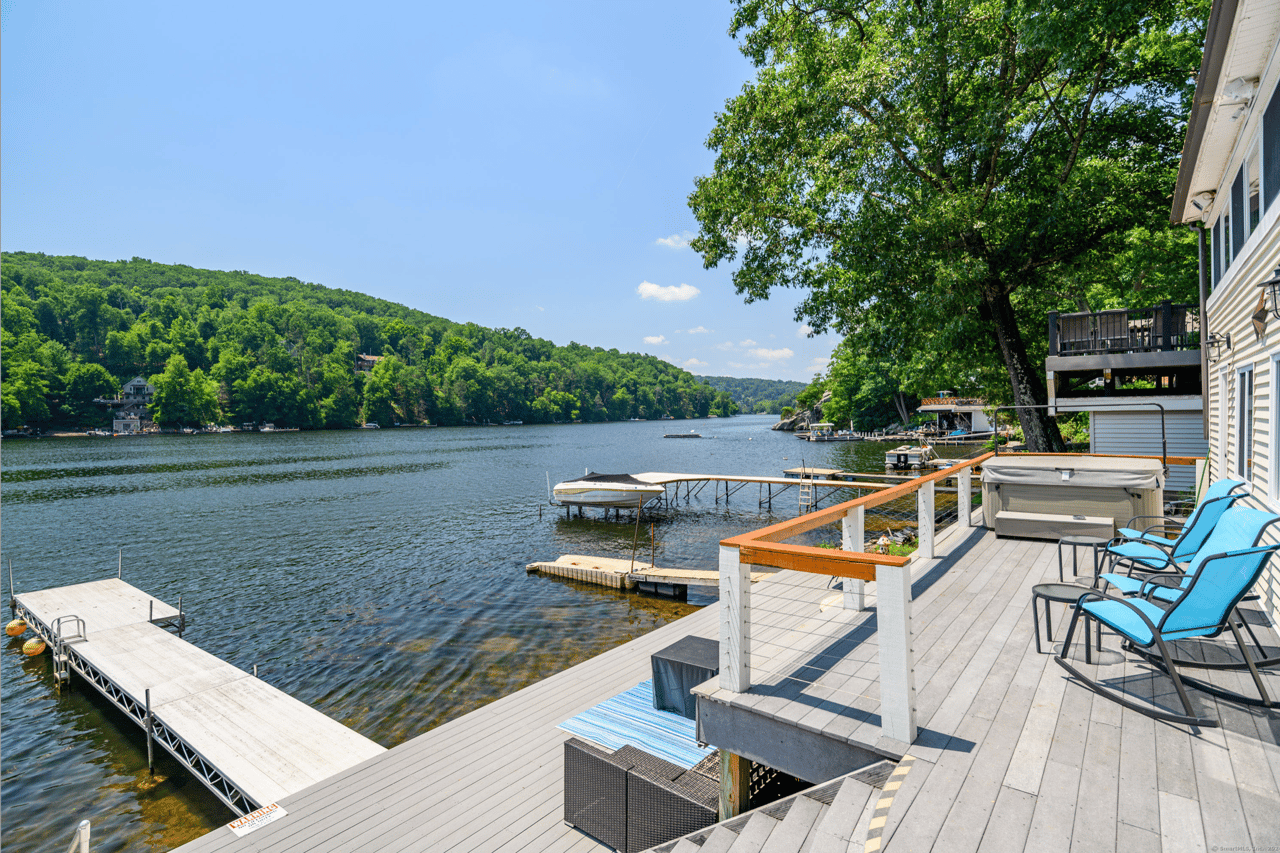
- Dock and slip rights. Deeded or permitted docks and multiple slips can be major value adders.
- Shoreline and topography. Gentle approaches, usable frontage, and good water depth tend to command more.
- Home condition and scale. Turnkey, expanded living spaces with flexible guest areas and outdoor amenities see stronger demand.
- Septic, well and site constraints. Lake properties often have unique site considerations that affect expansion and maintenance.
Boating rules, permits and access
Before you assume what you can build or how you can use the shoreline, get familiar with permits and local rules:
- Shoreline permits. On Candlewood, Lillinonah and Zoar, many shoreline improvements and docks require coordination with the hydropower owner, FirstLight Power, and local authorities. Start with FirstLight’s permits guidance.
- Speed and no-wake zones. Many lakes in Connecticut use a 45 mph daytime and 25 mph night standard where high-speed operation is allowed, with posted Slow-No-Wake areas and dam buffers in narrow channels. Always verify current limits and maps before heading out. The state’s published boating resources and the Angler’s Guide reference are useful primers. Local lake authorities also post seasonal notices.
- Local patrols and stewardship. The Candlewood Lake Authority and Lake Zoar Authority share safety updates, invasive species protocols, and programs. Their notices help you plan around high-traffic days and understand local expectations.
Water quality, invasive species and maintenance
Like many reservoirs, the Housatonic River impoundments face ongoing water-quality management. Lake Lillinonah has active monitoring, including moored data buoys and university and volunteer programs tracking algae and nutrient conditions. That work is described in this overview of Lillinonah’s monitoring buoy from Fondriest.
Aquatic invasive species are a region-wide focus. Zebra or quagga mussels and aquatic plant growth can affect maintenance needs, from dock care to hull cleaning. The Angler’s Guide resource outlines invasive concerns and responsible boating practices. You will also see local authorities and partners pursue grants and education to support stewardship on these lakes.
Due diligence checklist for Brookfield-area lake homes
Use this quick list to structure your review before you write an offer:
- Dock and mooring rights. Confirm whether a deeded dock, assigned slip, or community dock is included. Ask what permits are in place or needed. Review FirstLight’s permit requirements for project lands.
- Flood risk and elevation. Check FEMA flood maps and consider an elevation certificate if insurance may be required. FEMA’s training overview on flood basics is a helpful primer: FEMA floodplain basics.
- Septic, well and utilities. Request recent inspections and clarify service lines, pump-outs and any site limitations that affect expansion.
- Shoreline composition and setbacks. Steep or rocky edges versus gradual entries change use and construction options. Some lakes adopt protective shoreline rules. For example, Lake Waramaug has published zoning regulations for shoreline protection. Review local town codes and, as a general example of protective frameworks, see Waramaug zoning regulations.
- Water-quality history. Ask for recent lake-association reports and any harmful algal bloom advisories. Lillinonah’s monitoring programs are a good sign that data is available to inform decisions, as discussed in this overview.
- HOA or association rules. If the property is in a lake community, get the bylaws, dock allocation policies, guest parking and launch rules in writing.
- Taxes, insurance and operating costs. Waterfront assessments, specialized insurance and ongoing shoreline care can increase annual costs. Gather updated quotes and recent tax bills early.
Which lake is right for you?
- Choose Lake Lillinonah if you value privacy, scenic wooded shoreline, and a calmer experience with room for paddling, fishing and low-key cruising. Large-lot estates and nature-forward living are common along major stretches.
- Choose Candlewood Lake if you want a lively boating scene, more marinas and clubs, and the widest range of waterfront neighborhoods and price points.
- Choose Lake Zoar if you prefer a narrower, river-like experience with good watersports runs and strong fishing, plus active local patrols and safety management.
Ready to explore lakefront in Brookfield and beyond?
You deserve clear guidance tailored to how you live. Our team pairs deep Western Connecticut expertise with hands-on advocacy to help you find the right shoreline, dock setup and community fit. If you are comparing Lillinonah, Candlewood and Zoar, we will map lifestyle trade-offs, confirm permits and help you value the true waterfront premium before you bid.
Request a complimentary market consultation with The Brokerage of New England and get a focused plan for your lake home search.
FAQs
What makes Lake Lillinonah different from Candlewood?
- Lillinonah is Connecticut’s second-largest lake with a long wooded shoreline and fewer commercial marinas, which creates quieter pockets, while Candlewood is larger, busier and serves as the region’s boating hub.
How do dock permits work on Lillinonah, Candlewood and Zoar?
- Many docks and shoreline improvements require coordination with the hydropower owner, FirstLight Power, and local authorities; start with FirstLight’s permit guidance and confirm town requirements.
Are there speed limits and no‑wake zones I should know about?
- A common framework is 45 mph by day and 25 mph at night where high-speed use is allowed, with posted Slow-No-Wake areas and dam buffers; always verify current maps and rules and review resources like the Angler’s Guide reference.
How do prices for lakefront homes compare to Brookfield’s median?
- Town medians offer a baseline, but true waterfront typically trades well above; on Lillinonah, larger private parcels often command 1.5 to 3 million dollar prices, while Candlewood spans modest cottages to multi-million-dollar estates.
What should I check about water quality before buying on Lake Lillinonah?
- Request recent monitoring reports and ask about any harmful algal bloom advisories; Lillinonah has active monitoring programs, summarized in this overview of the monitoring buoy.
Do I need flood insurance for a lakefront home in Western CT?
- It depends on your exact elevation and FEMA flood zone; review maps and consider an elevation certificate, and use primers like FEMA’s floodplain basics to discuss options with your insurer.