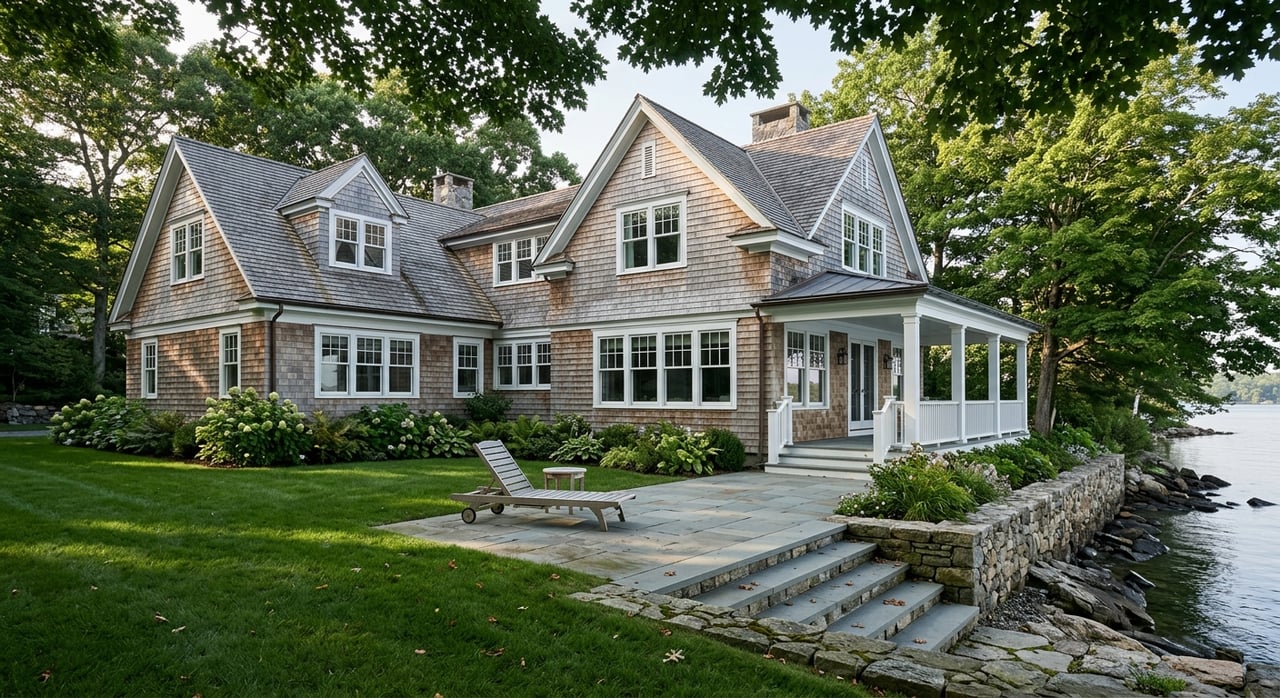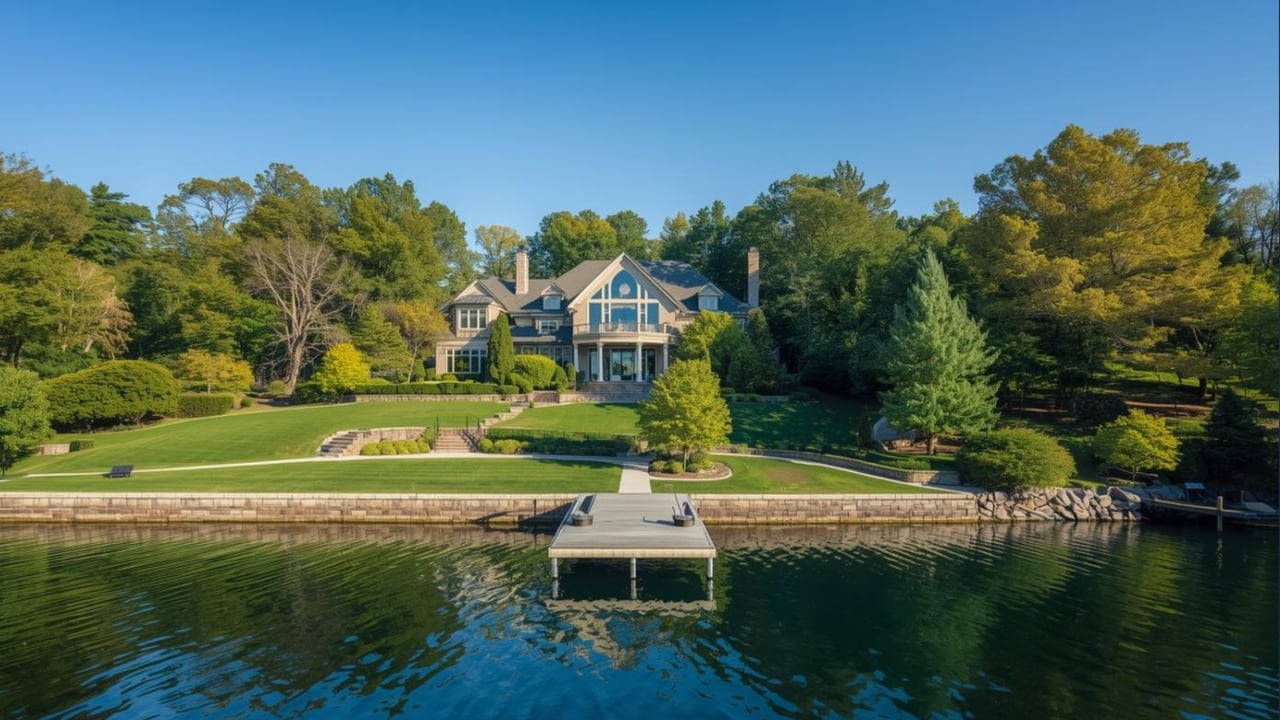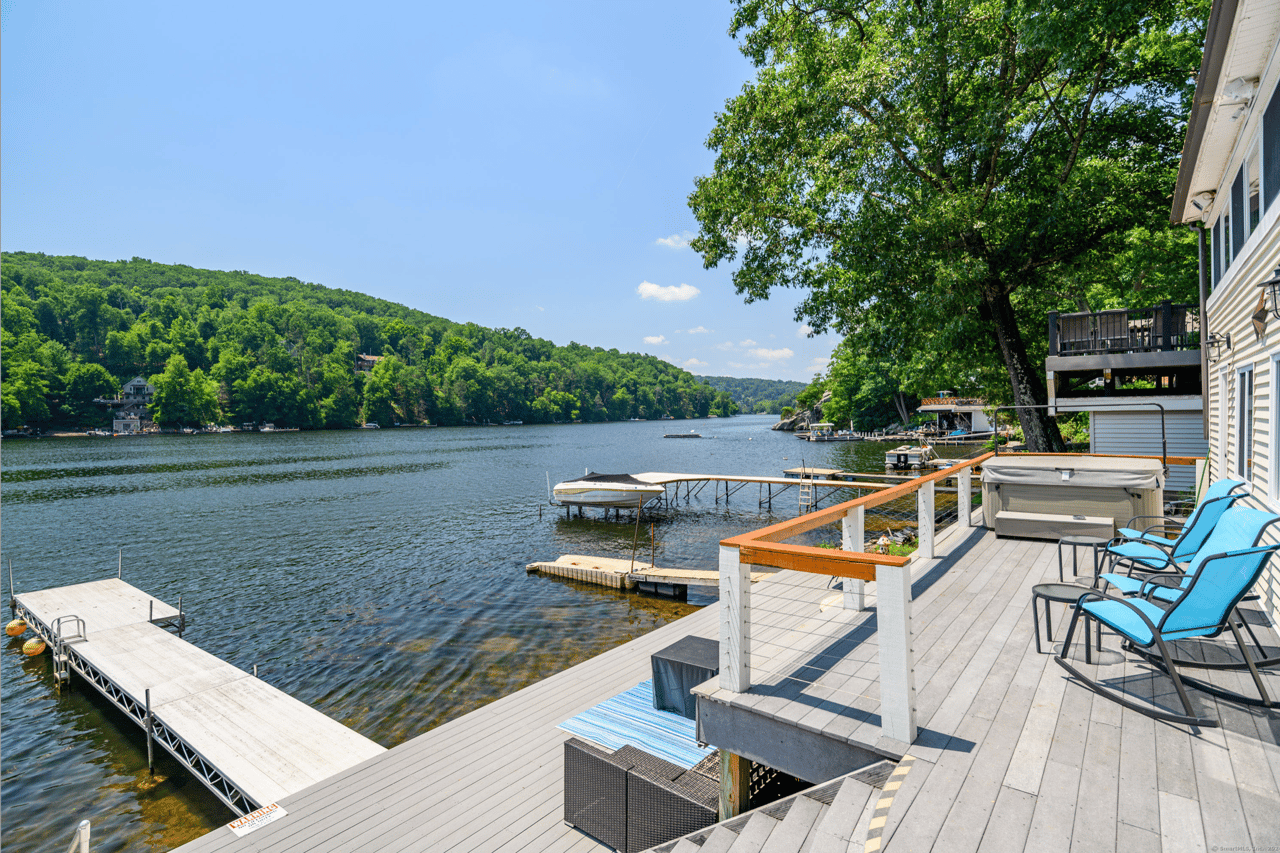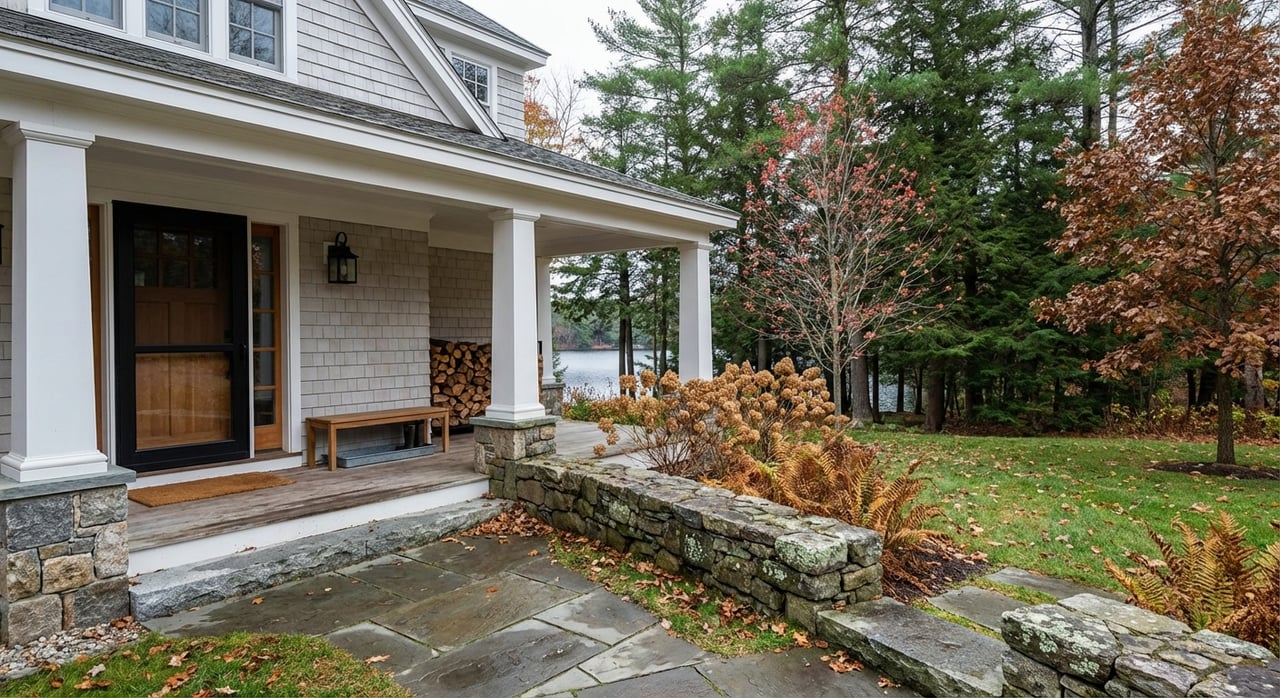
If you love the idea of waking up to calm water and sunset paddles, Bantam Lake is easy to picture as home. The real question is whether you want a simple seasonal cottage for summer and fall or a fully outfitted, year‑round home that handles snowy winters. Each path offers a great lifestyle, but the details matter. In this guide, you’ll learn how to weigh winter access, home systems, permits, maintenance, and total cost so you can choose with confidence. Let’s dive in.
Bantam Lake at a glance
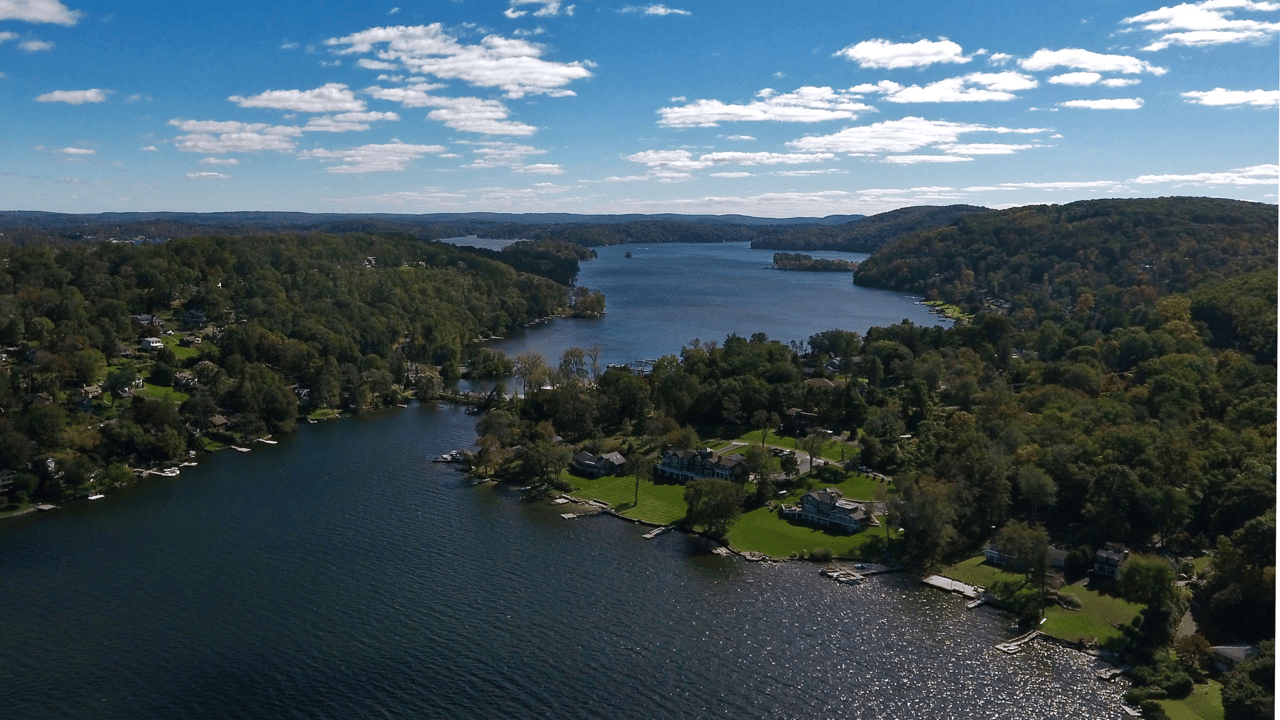
Bantam Lake spans roughly 947 acres and is recognized as Connecticut’s largest natural lake, shared by the towns of Litchfield and Morris. You will find a mix of classic cottages, updated year‑round homes, islands, public launch access, and quiet coves. For lake stewardship, the Bantam Lake Protective Association shares guidance on shoreline best practices, septic care, and aquatic plant management, which helps protect water quality and neighbor relations.
Winters here bring cold temperatures and regular snow. Inland northwestern Connecticut sees average winter lows and frost timing that make insulation, heating, and access planning essential. If you picture cozy weekends in January by the water, you will want to confirm road maintenance and systems that can handle sustained cold.
Seasonal vs year‑round: what changes
Winter access and travel
- Road plowing: Town‑maintained roads are cleared by Litchfield DPW according to posted priorities. Private lanes and driveways are often the owner’s responsibility. Review the Litchfield DPW snow removal guidelines and confirm whether your road is public, private with an association, or fully private.
- Public launch and traffic: The state has invested in launch improvements at Bantam Lake. These state‑managed public boat launch improvements can influence seasonal traffic and convenience near certain coves.
- Winter lake use: Ice fishing and other winter activities can occur when conditions allow. If you prefer quiet winters or plan to be active on the ice, ask neighbors about typical patterns before you buy.
What this means for you: If you want simple year‑round access with fewer surprises, prioritize homes on town‑maintained roads. If you are comfortable arranging private plowing and visiting less often in winter, a seasonal cottage on a private lane may fit your plans.
Home systems and structure
Seasonal cottages often started as summer getaways. Common traits include minimal insulation, older or single‑pane windows, a wood stove or small electric heat, and plumbing that needs to be drained in the fall. Crawlspaces may be unconditioned, and some properties may have older or shared systems.
Year‑round homes are built or upgraded for cold-weather living. Expect proper insulation, modern windows, a full furnace or heat pump with documented service, enclosed plumbing runs, and a full basement or conditioned crawl. Look for records on septic capacity, well testing, and any shoreline work.
Maintenance and recurring costs
- Septic: Around Bantam, many records are held by the Torrington Area Health District septic records. The EPA advises routine inspection every three years and pumping roughly every 3–5 years, adjusted for use. See the EPA septic care guidance for best practices.
- Shoreline and docks: Docks, boathouses, and shore stabilization may need permits. BLPA shares homeowner guidance to limit invasive weeds and protect the shoreline. Budget for dock upkeep and any association expectations.
- Winterization: Seasonal homes usually require fall shut‑down and spring start‑up. If you will leave a home vacant, many insurers want regular checks, which adds caretaker costs.
Permits and neighborhood rules
Projects that touch the waterline often require permits through state or local channels. Recent history at the public launch underscores ongoing state involvement in shoreline work and access. Before you assume a dock or boathouse can be added or expanded, verify existing permits and what is allowed through town or state resources, including the article on state‑managed public boat launch improvements. For septic capacity, confirm approvals and bedroom counts with TAHD.
Insurance and risk
Second‑home and seasonal policies can cost more and may include vacancy rules. Review your plan for occupancy, winter checks, and rental use with an agent who understands vacation‑home insurance. Ask for quotes before you set your offer terms.
Market context and value
Lakefront property is a premium within Litchfield and Morris. Town‑wide home values in Litchfield have hovered around the mid‑$500,000s in recent snapshots, but small cottages and non‑waterfront homes can trade for less. Large, well‑equipped waterfront homes can command prices in the seven figures. Your final price will reflect frontage, house size, systems, and upgrades.
Buyer checklist for Bantam Lake homes
Use this short list to quickly sort seasonal vs year‑round options and plan your due diligence:
- Is the road town‑maintained and plowed in winter? If not, price out private plowing and uphill driveway clearing. Review the Litchfield DPW snow removal guidelines.
- Heating and insulation: Is there a full furnace or heat pump sized for the house, plus proper attic and wall insulation? Ask for service records.
- Plumbing: Are pipes enclosed and protected from freezing, or has the home been winterized each year? Note any exposed lines.
- Septic and well: Request current inspection and pump records, and confirm approved bedroom count with the Torrington Area Health District septic records.
- Dock and shoreline: Is the dock deeded and permitted, or just customary use? Verify permits and limits through the town and state. The recent public boat launch improvements highlight active oversight.
- Insurance: If the home will sit vacant for stretches, ask about endorsements and pricing for vacation‑home insurance.
Converting a cottage to year‑round
If you fall for a summer cottage but want four‑season living, plan your scope and budget before you commit. Common upgrades include:
- Insulation and air sealing, plus modern double‑ or triple‑pane windows.
- A right‑sized heating system and possibly mini‑splits for efficient heating and cooling.
- Plumbing reroutes or enclosure to protect from freezing, and a conditioned crawlspace or basement.
- Electrical panel capacity upgrades and generator readiness.
- Septic review to confirm year‑round use and bedroom count with TAHD records.
Get contractor estimates and a lake‑savvy inspection before waiving contingencies. Also confirm any permits needed for shoreline work.
Which option fits your lifestyle?
Choose a seasonal cottage if you:
- Want an easygoing summer and fall base with a lighter price point.
- Are comfortable winterizing each year and visiting less in mid‑winter.
- Do not mind arranging private plowing or occasional caretaker checks.
Choose a year‑round home if you:
- Plan to live lakeside through winter and value reliable access.
- Prefer modern systems, full insulation, and less seasonal prep.
- Want flexibility to host holidays or work from home during the colder months.
Local resources and next steps
- Stewardship and norms: Start with the Bantam Lake Protective Association for shoreline and septic guidance.
- Winter access: Confirm whether a specific road is town‑maintained and how it is prioritized using the Litchfield DPW snow removal guidelines.
- Septic records: Request approvals and as‑builts from the Torrington Area Health District septic records.
- Shoreline permits: Review local and state roles, including the recent public boat launch improvements as an example of state involvement.
Tour in late fall or winter when possible to see plowing, driveway grades, and how homes perform in cold weather. Then request records, line up quotes for winterization or upgrades, and review insurance options.
Ready to find your fit on Bantam Lake? Reach out to The Brokerage of New England for a local, hands‑on strategy and a curated tour plan.
FAQs
What does a “seasonal cottage” mean at Bantam Lake?
- It usually refers to a home built for warm‑weather use, often with minimal insulation, smaller heating sources, and plumbing that must be winterized each fall.
How do winter road conditions affect Bantam Lake properties?
- Town roads are plowed by Litchfield DPW by priority, while private lanes and driveways are the owner’s responsibility. Review the Litchfield DPW snow removal guidelines and confirm your specific road status.
Who handles septic approvals for homes near Bantam Lake?
- The Torrington Area Health District maintains permits and many records. Ask sellers for recent inspections and confirm system capacity using TAHD’s document library.
Do I need a permit to build or modify a dock on Bantam Lake?
- Work at the waterline often needs state and local approvals. Recent public boat launch improvements show active oversight, so verify any existing permits and what changes are allowed.
How often should a lake home’s septic system be inspected and pumped?
- The EPA recommends inspection about every three years and pumping roughly every 3–5 years, adjusted for usage. See the EPA septic care guidance for details.
Will insurance cost more for a seasonal or second home?
- Often yes. Carriers may require vacancy checks or endorsements for long unoccupied periods. Discuss your plans with an agent and review guidance on vacation‑home insurance.