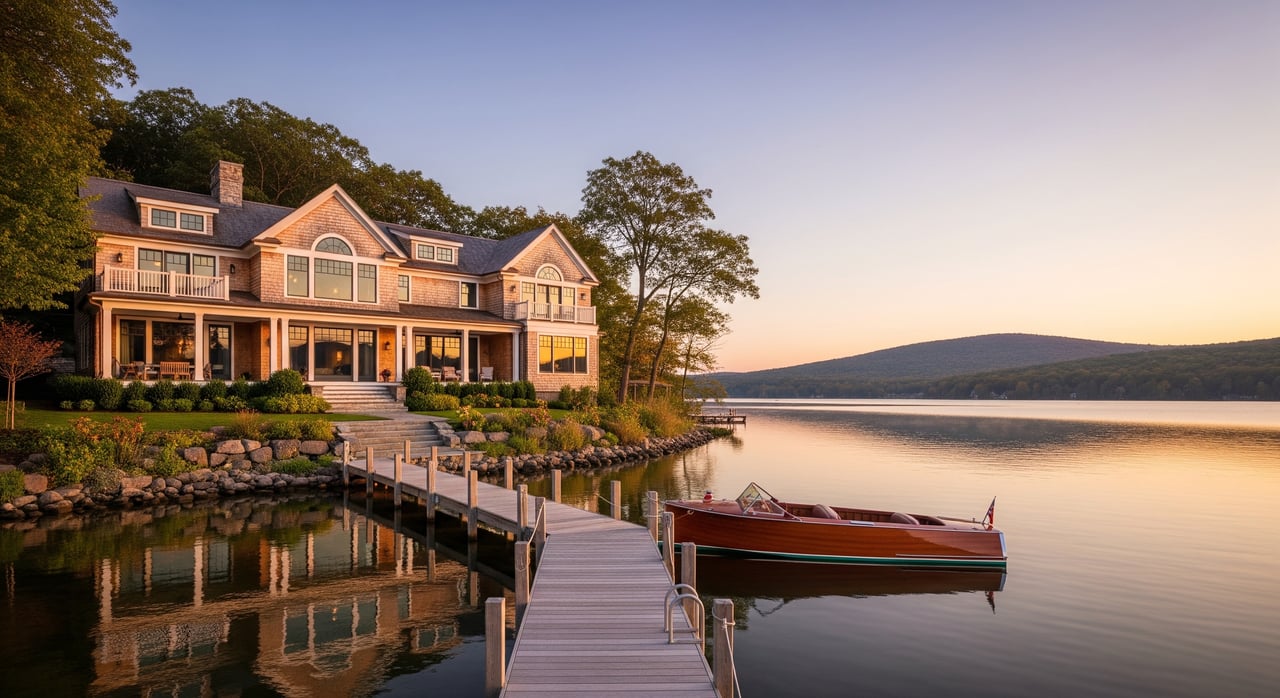
Craving more space, fresh air, and weekends on the water without giving up access to New York City? You are not alone. Many NYC and lower Fairfield County buyers look to Candlewood Lake for a realistic second home or full‑time move that blends nature with convenience. In this guide, you will learn how the commute works, what daily life feels like around different shores, the kinds of homes you can find, key ownership details like docks and septic, and a practical buyer checklist. Let’s dive in.
Why Candlewood appeals to NYC buyers
Candlewood Lake is Connecticut’s largest lake and a long‑time regional retreat. You get room to breathe, boating and fishing at your doorstep, and a slower pace without feeling cut off from major hubs. If you want a weekend base within about 1 to 2.5 hours of the city, or you are ready to relocate for more land and lake access, Candlewood can be a smart fit.
You should weigh clear tradeoffs. You gain space and water access, but you accept longer travel times, summer activity on the water, and higher maintenance for docks, septic, and shoreline structures. Winters are calm and beautiful, while summer brings more boats, visitors, and busy marinas.
Commute and access
Driving routes and time windows
Key routes include I‑84 and Route 7, with local roads connecting around the lake. Plan typical driving windows like these when conditions are normal:
- Manhattan: about 1.5 to 2+ hours one way
- Stamford or Greenwich: roughly 45 to 90 minutes
- Danbury: often 10 to 30 minutes from many shores
Your exact spot on the lake matters. East‑shore addresses near Danbury and Brookfield usually reach highways faster. Farther north or west coves add local drive time.
Rail and park‑and‑ride options
Many residents combine a short drive with Metro‑North’s Danbury Branch. You may transfer at South Norwalk to reach Manhattan. Door‑to‑door rail trips often run 1.5 to 2.5 hours depending on connections. Some express buses and park‑and‑ride lots near Danbury and Brookfield add flexibility, though schedules are more limited than rail.
Test the commute first
Always trial your route during a weekday peak and a weekend. Use live mapping tools to see real times from the exact address you are considering. This simple step can confirm whether the tradeoff fits your life.
Day‑to‑day life by shore
East shore and southern areas
The east side near Danbury and Brookfield offers faster access to I‑84 and Route 7, more year‑round homes, and suburban conveniences like hospitals, bigger grocery stores, and shopping. Southern and southwestern stretches are closer to lower Fairfield routes and can feel more active on summer weekends.
North and west coves
Northern and western peninsulas and coves feel more rural and private. You may find larger parcels and quieter pockets. You also add drive time to highways, rail, and services.
Seasonal rhythm
Summer brings peak boating, wakes, and lakeside gatherings. Spring and fall are quieter, with scenic foliage and some reduced hours at seasonal spots. Winter is calm. If the lake freezes, activities slow and you will plan for dock and boat winterization.
Homes and price guidance
Common property types
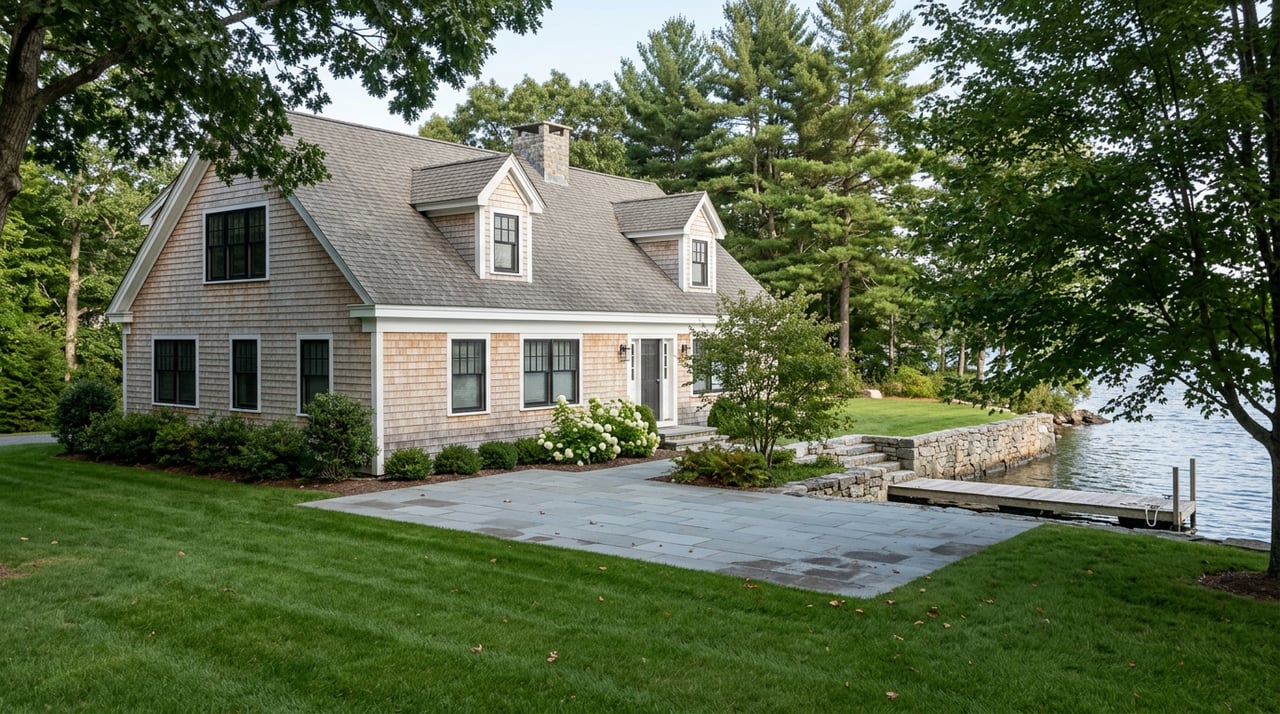
- Waterfront cottages: Smaller, often mid‑20th‑century homes. Many are used as weekend places or renovated for year‑round living.
- Year‑round single‑family homes: Ranches, colonials, split‑levels, and updated lake houses across the towns around the lake.
- Larger estates: Private lots with extensive shoreline improvements, deeper water, and upgraded docks.
- Nearby condos and planned communities: More common in surrounding towns than directly on the lake.
What drives value on the lake
- Waterfront vs. water view vs. inland. Waterfront with dock access commands a clear premium.
- Dock rights and shoreline condition. Usable frontage, licensed docks, and stable bulkheads add value.
- Commute convenience. Proximity to Danbury, Route 7, and I‑84 helps.
- Year‑round readiness. Insulation, heating, winterization, and septic condition matter.
Budget framing you can use
Expect a wide spread. Entry cottages and smaller waterfront homes can offer a relative on‑ramp, often with seasonal or fixer‑upper traits. Mid‑range single‑family options, including some with lake access, set the middle band. Luxury waterfront estates with modern docks sit well above local medians. For precise, current ranges in each town and by waterfront status, review recent MLS data and local market reports with your agent.
Utilities and services
Wells, septic, and broadband
Many lake homes use private wells and septic. Plan for thorough septic inspections, pumping records, and well water tests. Broadband and cell coverage can vary by road and cove. Check providers at the specific address before you buy.
Nearby towns and essentials
Danbury serves as the regional hub for hospitals, large grocers, dining, and a Metro‑North station. Brookfield, New Fairfield, New Milford, Sherman, and nearby towns offer local shops, services, and dining. Response times for emergency services are generally solid near town centers and can be slower in remote coves.
Docks, rules, and insurance
Dock rights and shoreline permits
Dock ownership can be private, licensed with permits, or shared through a homeowners or lake association. Confirm whether any existing dock is properly licensed and transferable. Ask about local size and placement rules and review the condition and permits for bulkheads, seawalls, and boathouses.
Flood zones and insurance
Some shoreline parcels lie in FEMA flood zones. Your lender may require flood insurance. Elevation, water‑level history, and shoreline protection affect costs. Request a recent survey and plan for inspections of docks, bulkheads, and structures, plus well and septic testing. Get insurance quotes early so there are no surprises.
HOAs, lake associations, and local rules
Many neighborhoods maintain shared beaches, boat launches, and docks through associations. Expect bylaws and dues. Rules may set boat speeds, parking, and seasonal use. At the state level, boating registration and watercraft rules apply. Local town codes can limit ramps, set noise rules, or require permits for shoreline work.
Environmental notes
Invasive aquatic plants can affect boating and require management. Ask for any lake management plans, recent treatments, or association requirements that may impact use and costs.
Market timing and strategy
Seasonality and inventory
Waterfront inventory is limited and cycles with the seasons. Spring and summer bring more listings and activity. Off‑season shopping can help with negotiations for some sellers, though selection may be thinner.
Renovation and value
Older cottages are often renovated into year‑round homes. Plan renovation budgets up front and focus on structural soundness, shoreline stability, septic capacity, and winterization.
Buyer checklist
- Trial the commute during a weekday peak and a weekend from the exact address.
- Confirm the town and municipal jurisdiction for schools, taxes, and permits.
- Request from the seller: dock ownership documents, shoreline survey, and any permits for docks or bulkheads.
- Review recent septic inspection and pumping records. Order your own septic evaluation.
- Obtain a well water test and pump condition report if applicable.
- Ask for HOA or lake association bylaws, budgets, and minutes. Confirm dues and what they cover.
- Schedule professional inspections for the house, dock, bulkhead, and shoreline structures.
- Research tax rates through the town assessor and review recent tax history.
- Check FEMA flood mapping and obtain insurance quotes for home and flood coverage.
- Price out ongoing maintenance: dock repair, winterizing, storage, septic service, and shoreline upkeep.
- Verify local boating, wake, and noise rules. Confirm any short‑term rental restrictions if you plan to rent.
- Confirm available broadband and cellular service at the address.
Is Candlewood Lake right for you?
Choose Candlewood if you want water access, more indoor and outdoor space, and a calmer lifestyle while staying tied to NYC and lower Fairfield County. Be ready for longer travel times, a lively summer season, and the added responsibilities that come with waterfront ownership. If that balance fits your goals, Candlewood Lake can be a rewarding long‑term move or a weekend escape.
Ready to explore properties and neighborhoods around the lake with a local who knows the water, the roads, and the rules? Reach out to The Brokerage of New England to request a complimentary market consultation.
FAQs
How long is the commute from Candlewood to NYC or Stamford?
- Plan around 1.5 to 2.5 hours to Manhattan depending on your shore and rail or driving choice, and about 45 to 90 minutes to Stamford or Greenwich by car in normal conditions.
Do most Candlewood homes include docks, and what types exist?
- Not all homes include docks; rights can be private, licensed by permit, or shared through an association, so you should verify ownership, permits, and transferability.
How much more does waterfront cost than inland homes nearby?
- True waterfront with dock access carries a clear premium over inland and water‑view homes, with exact differences driven by frontage, condition, and town location.
What utilities should I expect at a Candlewood home?
- Many properties use private wells and septic, and broadband and cellular strength vary by road, so confirm service levels and plan for septic and water testing.
Is Candlewood a year‑round or mostly seasonal community?
- It is both; summer is active with boating and visitors, while spring and fall are quieter and winter is calm, so choose a location and home suited to your preferred pace.
Who enforces boating and noise rules on the lake?
- Associations and local towns set and help enforce rules, and state boating regulations apply; your agent can help you review the specific rules for each area.
What recurring costs should I plan for beyond mortgage and taxes?
- Budget for dock maintenance and storage, winterizing, septic service, shoreline upkeep, and insurance, including flood coverage if required.
What inspections are unique to waterfront purchases at Candlewood?
- In addition to a standard home inspection, schedule evaluations of docks, bulkheads, and shoreline structures, septic testing, a water test, and a recent property survey.