Dreaming of lake life in Brookfield but unsure how the market really moves around Lake Lillinonah? You are not alone. Buyers and sellers often look at the same shoreline and see very different pricing, timelines, and risks. In this guide, you will learn how this micro‑market works, what drives buyer demand, and how to position your next move with confidence.
You will walk away with a clear picture of waterfront vs water‑access dynamics, seasonality, and the due diligence that matters on this lake. Let’s dive in.
How this micro‑market works
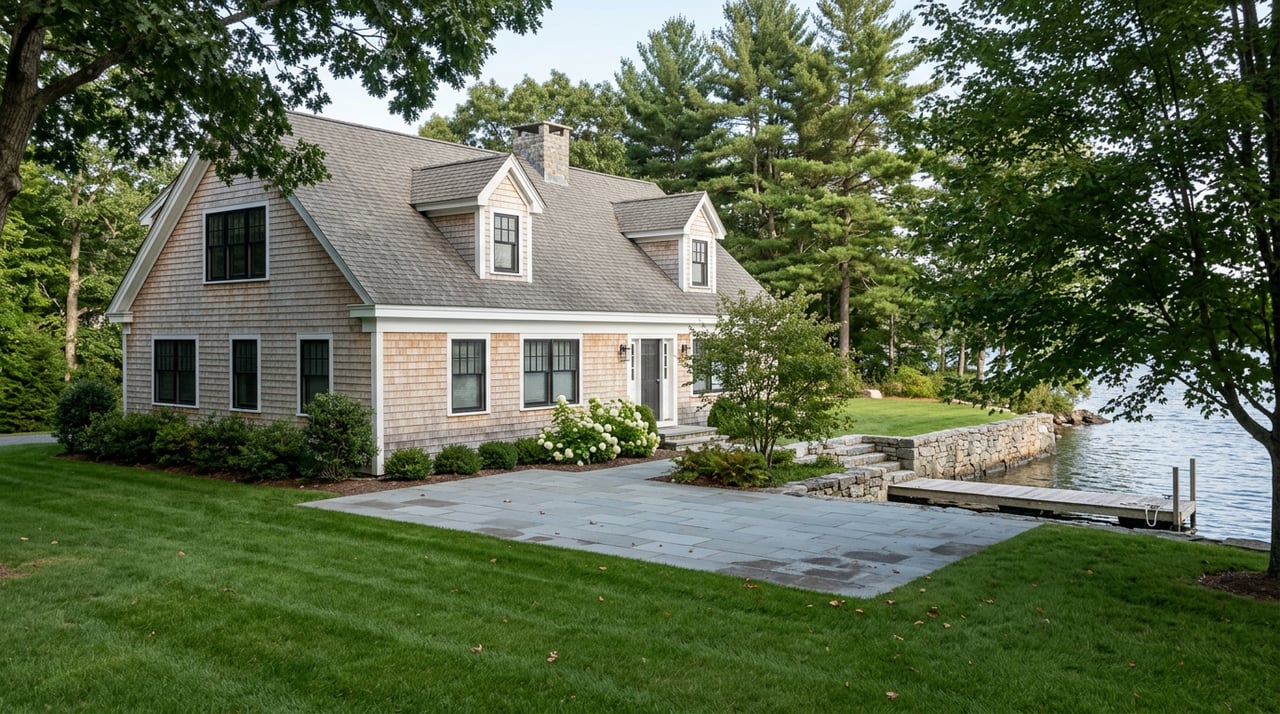
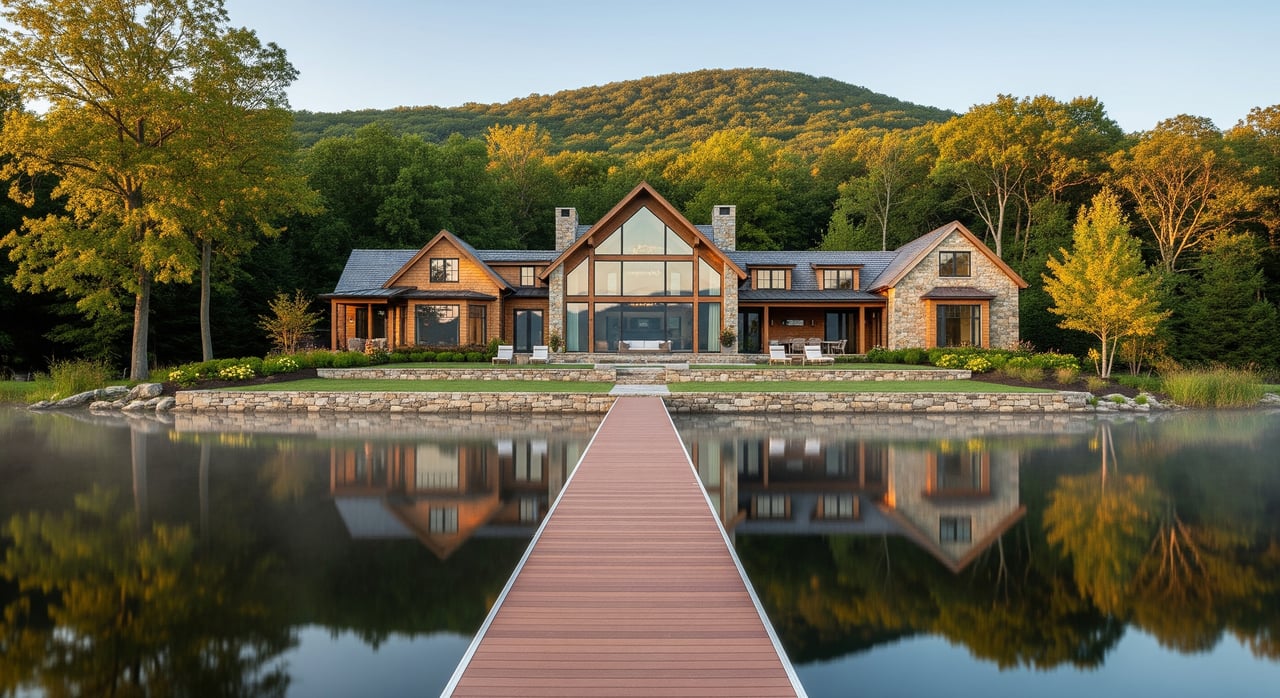
Lake Lillinonah is a segmented market with distinct tiers that behave differently. At the entry level, you will find smaller seasonal cottages or compact homes near the water. The mid‑market features year‑round single‑family homes that appeal to full‑time residents and commuters. At the top end, a smaller luxury tier offers estate‑style waterfront with private docks, larger lots, and panoramic views.
Each tier experiences its own patterns in price movement and days on market. Luxury homes can see wider swings because there are fewer of them. Entry and mid‑market listings can move faster when pricing and access align with demand.
Waterfront vs water‑access vs inland
A true waterfront property with direct frontage usually commands a clear premium over similar inland homes. The size of that premium changes with property condition, lot depth, shoreline, dock rights, and road access. Water‑access homes with deeded or shared access often sell at a discount to direct waterfront, yet they can move faster because they still deliver the lake lifestyle at a lower cost.
Non‑water homes within a short distance of the lake can benefit from the “lake effect,” but they typically trade below direct access properties. When comparing options, prioritize the features that drive value on this shoreline.
What drives price and time to sale
- Dock rights and boat mooring, whether private or shared
- Shoreline quality, including beach entry or steeper banks
- Views, orientation, privacy, and the relationship to neighboring homes and roads
- Water quality and lake level stability
- Ongoing costs for docks, seawalls, and landscaping
- Septic capacity, well water versus municipal service, and internet or commute connectivity
Brookfield demand drivers
Brookfield’s proximity to I‑84 and regional routes supports steady demand from full‑time residents and commuters. You will see a mix of renovated lakeside homes and suburban single‑family inventory that draws year‑round buyers. School reputation, commute time, and the type of lake access you get can influence buyer preferences.
If you want to live on or near the lake and still keep an efficient commute pattern, Brookfield is often a first stop for tours. Expect competitive interest for well‑located homes with usable shoreline or reliable access.
Seasonality and timing your move
Listings and showings around Lake Lillinonah tend to cluster in spring and summer. March through June usually brings the most new inventory and active showings, which helps both buyers and sellers who want to showcase outdoor spaces in season. Summer remains busy for waterfront showings and second‑home interest.
Fall and winter are calmer, yet motivated buyers stay in the market and can find opportunities. Serious activity often continues, especially for well‑priced properties with documented lake rights. Price adjustments become more common in colder months as sellers respond to a smaller pool of tours.
Inventory and price bands
You will typically see a spread across these price bands: under 500,000 dollars, 500,000 to 800,000 dollars, 800,000 to 1.5 million dollars, and above 1.5 million dollars. Smaller cottages, inland homes, and some water‑access properties can fall into the lower bands. Mid‑market year‑round homes and stronger water‑access offerings cluster in the middle bands.
Direct waterfront with private docks or larger parcels moves into the higher bands. Within each band, condition and access type create wide variation. Median values can hide big differences, so it pays to consider the full range in a given tier.
Days on market and months of inventory
Days on market is not uniform around the lake. Water‑access homes often sell faster than comparable inland homes because they deliver lake lifestyle benefits at a lower price point. True waterfront can sell quickly when priced to the segment, but the luxury tier may require patience and more specialized marketing.
Months of inventory, which is active listings divided by monthly sales, can shift quickly with interest rate changes and migration trends. Smaller towns with fewer transactions can see more month‑to‑month volatility. Use rolling averages and segment by access type when you set expectations.
Due diligence for lake buyers
Waterfront and water‑access purchases require careful prep. Build these steps into your process before you make an offer.
- Confirm waterfront or water‑access rights in the deed and plot plan
- Order a recent survey that shows the mean high‑water line and property boundaries
- Review septic inspection history, perc tests as available, and schedule a well water test
- Check FEMA flood zone status and obtain an elevation certificate if needed
- Verify dock permits and any pending or past approvals with the appropriate agencies
- Contact the relevant lake association or municipality about seasonal rules and slip availability
- Ask the dam operator about water level management and planned drawdowns
These items help you avoid surprises during underwriting or inspections and can strengthen your negotiation position.
Financing and appraisal on the lake
Waterfront appraisals should account for seawalls, docks, shoreline, and access type. Lenders may require elevation certificates for homes in certain flood zones and additional insurance based on map status. Underwriting can also call for documentation of permit history, shoreline improvements, and association rules that affect access.
Cash purchases tend to be more common among second‑home buyers. If you are financing, have your pre‑approval ready and confirm your lender is comfortable with lakefront collateral and any associated insurance requirements.
Seller playbook for Brookfield and Lake Lillinonah
Position your home by segment, access type, and condition. Pricing against properly segmented comps, rather than broad town medians, leads to better outcomes. Prepare documentation up front, including dock permits, association details, septic and well records, and any surveys that verify the shoreline boundary.
Showcase lifestyle features that matter on this lake. Highlight usable shoreline, dock capacity, outdoor entertaining areas, and privacy. Plan your listing timeline to capture peak showing periods in spring and early summer when the property presents best.
Professional, lifestyle‑forward marketing can improve results for both water‑access and waterfront listings. Curated property pages, clear lake rights disclosures, and high‑quality visuals help buyers see value quickly.
Buyer strategies to compete
Define your must‑haves early, such as private dock rights, slope to the water, or room for future upgrades. Separate must‑haves from nice‑to‑haves to keep your search focused. Get your pre‑approval in place, or proof of funds if paying cash, so you can move quickly when the right home appears.
Preview properties as soon as they hit the market, especially in spring and summer. Be ready to tailor contingencies to the property. Many buyers keep inspection protections while sequencing specialized checks for septic, well, and shoreline permits.
Town‑by‑town color around the lake
- Brookfield: Strong draw for commuters to I‑84 and year‑round residents. Inventory can include renovated lakeside homes and traditional single‑family options that appeal to full‑time buyers.
- Bridgewater and Roxbury: Smaller, rural towns with fewer listings and larger parcels. Price readings can swing due to low transaction counts, which is normal in small samples.
- Newtown: Larger buyer pool and a mix of older cottages and replacement builds. Commute options and school reputation in parts of town can influence demand.
- Southbury: A range of interior homes and water‑access neighborhoods that attract in‑state buyers and commuters to Waterbury or New Haven.
- New Milford: Larger parcel sizes on the northwest side of the lake and some estate‑style properties. Buyers often value the shoreline per‑foot opportunity.
These differences help explain why similar‑looking homes can perform differently across town lines.
What to watch in the next 6–12 months
- Interest rates and regional migration patterns that affect affordability and demand
- Inventory pipelines by access type, since months of inventory can change quickly
- FEMA flood map or insurance shifts that can alter underwriting or ownership costs
- Local shoreline permitting, association rules, or lake level management communications that affect access or docks
- Small‑sample noise in rural towns, which can make monthly stats volatile
A segmented view of the market will keep your expectations grounded as conditions evolve.
Partner with a local advisor
Buying or selling around Lake Lillinonah rewards careful planning and an understanding of how access type, town, and condition intersect. You deserve local guidance that blends hands‑on service with polished, lifestyle‑driven marketing. If you are weighing a move in Brookfield or anywhere around the lake, we are ready to help.
Request a complimentary market consultation with The Brokerage of New England to plan your next step with confidence.
FAQs
How much is the waterfront premium on Lake Lillinonah?
- It varies by dock rights, lot depth, shoreline, condition, and town. A matched‑pair approach that compares similar homes with and without direct frontage provides the best estimate for your property.
How long do waterfront homes take to sell in Brookfield?
- Timelines depend on price tier and season. Water‑access often moves faster, while the luxury tier can take longer due to a smaller buyer pool and property uniqueness.
What permits and inspections should I prioritize when buying lakefront?
- Verify dock permits, shoreline and wetlands approvals, septic and well testing, flood zone status with an elevation certificate if needed, and association rules that govern access.
When is the best time to list a Lake Lillinonah home?
- Spring into early summer usually brings the most listings and showings. Serious buyers remain year‑round, so well‑priced homes with complete documentation can still perform in fall and winter.
Are cash offers common for Lake Lillinonah properties?
- Cash is more common among second‑home and weekend buyers. Financing is still widespread, but lenders may require additional documents for lakefront collateral.
How should I price my Brookfield lakefront home?
- Segment comps by access type and price band, then look at days on market and sale‑to‑list behavior within that slice. Pricing to the segment and documenting lake rights often leads to stronger results.