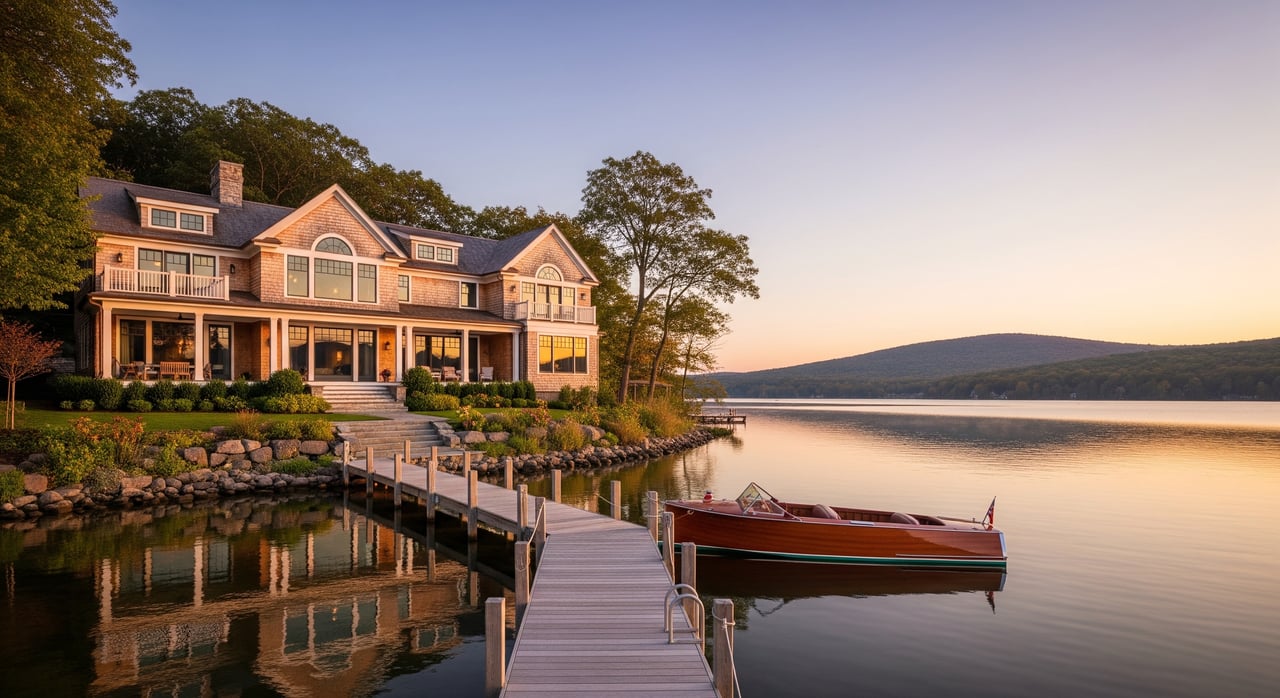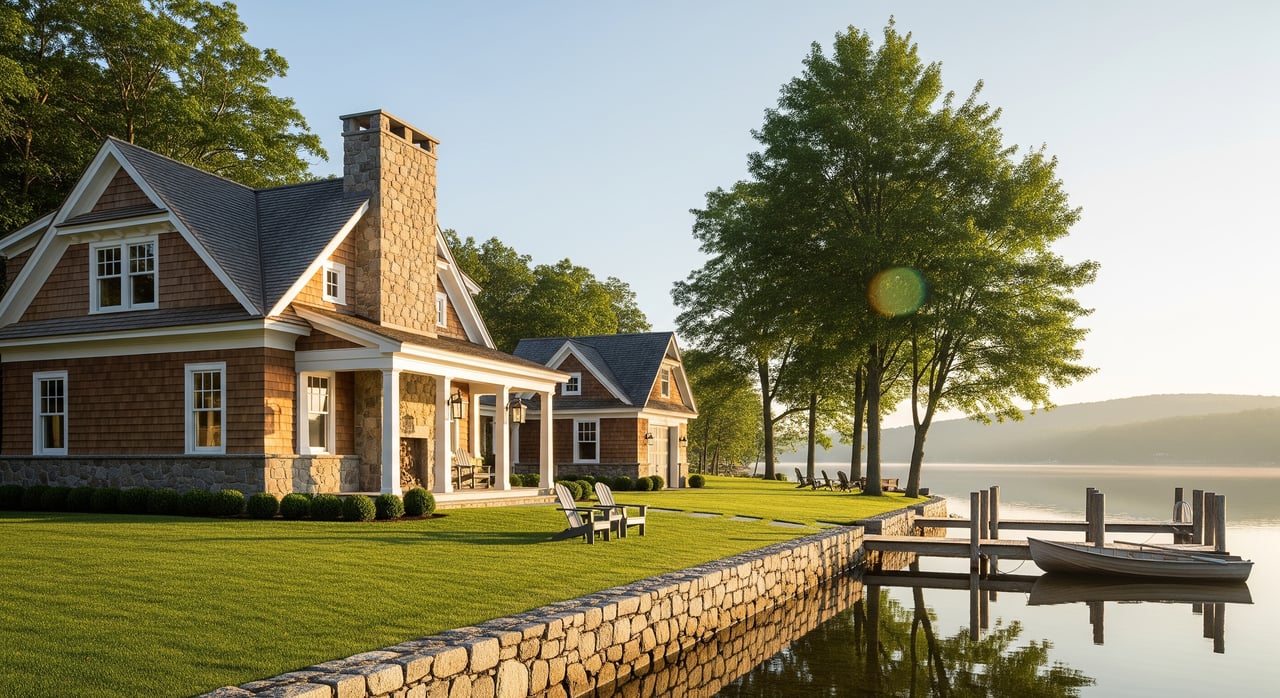
Imagine starting your day with coffee on a quiet dock, the water still and the hills waking up around Bantam Lake. If you are drawn to that vision, you are not alone. Buying on or near the lake in Litchfield is different from buying a typical suburban home, and a smart plan will save you time, stress, and money. This guide gives you clear steps, lake‑specific checks, and the right questions to ask so you can move forward with confidence. Let’s dive in.
Why Bantam Lake is unique
Bantam Lake draws a mix of full‑time residents and weekend owners who value water access and a relaxed New England setting. Homes range from seasonal cottages to year‑round houses, and many rely on private wells and septic systems. Local demand can be seasonal, and true lakefront inventory is limited, so pricing and timing can vary. A local agent and attorney are key to navigating the nuances here.
Ownership details matter at the lake. Deeds can include littoral rights, shared access, or specific dock easements. Ownership and access define value, so plan to read the deed and verify any easements or association rights before you fall in love.
Step 1: Financing and budget
Lender expectations
Get pre‑approved early and ask your lender about waterfront and seasonal property requirements. Some lenders treat seasonal cottages differently and may have specific appraisal conditions. Waterfront features can influence loan terms, so clarity upfront helps you write a stronger offer.
Budget for extras
Waterfront living often carries added costs. Build a cushion for items beyond the purchase price:
- Septic inspection, maintenance, and potential upgrades
- Well inspection, water testing, and possible treatment
- Dock and shoreline maintenance or repair
- Higher homeowner’s and possible flood insurance
- Lake association dues and special assessments
- Professional inspections and a current survey
Step 2: Build your local team
A trusted local team will be your biggest advantage. In Connecticut, buyers commonly use an attorney for contracts, title work, and closing. Round out your team with specialists who know lake properties.
- Real estate agent with Bantam Lake experience
- Connecticut real estate attorney
- Licensed home inspector
- Septic inspector and well tester
- Surveyor familiar with littoral boundaries and mean high‑water lines
- Marine or shoreline contractor for docks and bulkheads
- If needed, a wetlands consultant or civil engineer
Step 3: Search and screen smart
Key documents to request
Ask the seller or listing agent for the following. You can also order your own reports if records are missing or outdated.
- Deed and recent survey or plot plan
- Title information showing easements
- Permits for docks, bulkheads, stairs, or other shoreline structures
- Septic permits, inspection reports, and pumping records
- Well test results if available
- Association bylaws, rules, minutes, and dues schedule
- Any conservation easements or recorded restrictions
Verify access and rights
Not every “lake access” listing means the same thing. Confirm whether your deed includes littoral rights and whether a dock or slip is exclusive, shared, or by permit. For shared drives or private roads, learn who maintains them and how costs are split. Ask about parking arrangements for guests and boats.
Step 4: Offer strategy and contingencies
Your offer should protect you while keeping you competitive. In addition to standard inspection and financing contingencies, include lake‑specific protections.
- Septic system inspection and certification contingency
- Well inspection and water quality testing contingency
- Shoreline and dock condition review with permitting verification
- Title search focused on water rights and easements
- Association document review if applicable
Ask the seller to provide any shoreline permits, wetlands approvals, or prior variance decisions. Always verify permits rather than assuming a structure is compliant.
Step 5: Inspections and investigations
Home and systems
Complete a full home inspection, then go deeper on water and waste systems. Confirm septic type, age, size, and location relative to the lake. Test well water for bacteria, nitrates, lead, and other common contaminants, and verify well yield for year‑round living.
Shoreline and survey
Inspect docks, piers, seawalls, and any riprap for condition and safety. Ask a surveyor to confirm lot boundaries, easements, setbacks, and the mean high‑water line. If you see unpermitted stairs or structures, factor potential remediation into your negotiations.
Flood and insurance
Check FEMA flood maps and ask your insurance agent for quotes early. Waterfront parcels are more likely to be in special flood hazard areas, which can affect lender requirements and premiums. If the property has a flood history or signs of erosion, get contractor estimates before you waive contingencies.
Step 6: Permits and compliance
Docks and shoreline work
Docks, bulkheads, dredging, and other shoreline projects typically require permits from local and state authorities. Confirm that any existing structures are documented and compliant with the Town of Litchfield and applicable Connecticut agencies. Undocumented work can be expensive to bring into compliance or replace.
Plan ahead for changes
Thinking about a new deck, an addition, or a septic upgrade after closing? Talk with the inland wetlands agency and the local health department before you finalize your plans. Early conversations help you understand setbacks, timelines, and feasibility so you can budget and sequence projects sensibly.
Step 7: Close and settle in
Closing to‑dos
At closing, confirm that title insurance is in place and that easements, access rights, and any association covenants are properly recorded. Make sure dock or slip arrangements are documented and transferable. Keep a copy of all permits, approvals, and inspection reports.
Post‑closing lake living
Many docks are seasonal. Clarify removal and storage schedules and who handles them. Arrange winterization for mechanicals and consider a service plan if you will not be there full‑time. If the property is part of a lake association, complete membership steps promptly so you can participate in water‑quality updates and community rules.
Costs, seasonality, and lifestyle
Expect some expenses to differ from non‑lake homes. Property taxes vary by assessment, and insurance can cost more near the water. If the home is in a flood zone, your lender may require flood coverage. Plan for ongoing septic care, dock maintenance, and possible lake association dues.
Seasonality shapes day‑to‑day life at the lake. Summer brings more boating and neighbor activity. Winter can affect access on private or less‑traveled roads, and removal of seasonal docks is common. If you will be a weekender, look into local caretakers or management options to keep things simple.
Quick buyer checklist
Use this list to stay organized from first tour to closing.
- Gather: deed, survey, title info, septic permits and records, well tests, shoreline permits, association documents, and any conservation restrictions
- Confirm littoral rights, dock or slip ownership, and any recorded easements
- Verify private road or shared access maintenance and costs
- Order home, septic, and well inspections; get water quality results
- Inspect shoreline structures and confirm permit history
- Review setbacks, wetlands jurisdiction, and potential building envelopes
- Determine flood zone status and get insurance quotes
- Confirm association rules on docks, boat types, and short‑term rentals
Common pitfalls to avoid
- Assuming a dock or seawall is legal without permits on file
- Skipping septic and well testing to speed up closing
- Overlooking shared road or parking obligations in associations
- Ignoring flood zone and erosion risks when budgeting insurance and repairs
- Relying on marketing terms rather than reading the deed and easements
- Assuming short‑term rentals are allowed without checking town and association rules
Ready to buy at Bantam Lake?
When you are considering a waterfront home, the details matter. A local guide who understands Bantam Lake, the Town of Litchfield process, and shoreline permitting can protect your timeline and your budget. If you want a boutique, hands‑on team that knows western Connecticut lake communities, let’s talk about your goals and build a plan that fits.
Request a complimentary market consultation with The Brokerage of New England to get started.
FAQs
Can I build or expand a dock on Bantam Lake?
- It depends on your deed, existing permits, and local and state approvals. Verify feasibility with the Town of Litchfield and the appropriate Connecticut agencies before you buy.
Do I automatically own the lakebed in front of my property?
- Not necessarily. Deeds vary and may or may not include littoral rights. Have your attorney and title company confirm water rights and any easements.
Will a lender finance a seasonal cottage near the lake?
- Some lenders do, but terms can differ from year‑round homes. Get pre‑approved early and confirm any waterfront or seasonal property conditions.
How do I check if a Bantam Lake property is in a flood zone?
- Review FEMA flood maps and confirm with your lender’s determination. Ask for insurance quotes early and consider the property’s flood or erosion history.
Who pays for lake weed control or water‑quality programs?
- Costs are often covered through lake association dues, special assessments, or local programs. Review association budgets and ask the seller for recent dues and assessments.
Are short‑term rentals allowed around Bantam Lake?
- Rules vary by town ordinances and association covenants. Check the Town of Litchfield and any HOA or lake association documents before planning rentals.